Stock code: 601677
Stock code: 601677
8011 aluminum foil for baking trays is often chosen for food-related forming projects because it combines good formability, stable strength, and reliable performance in everyday baking and packaging use. For tray makers, food service businesses, and packaging manufacturers, the material has to do more than look suitable on paper. It needs to form cleanly, hold its shape, and support efficient production without creating unnecessary waste.
Baking trays are exposed to heat, pressure, and repeated handling. That means the material must be easy to shape while still keeping enough strength for real use. 8011 aluminum alloy is known for its balanced properties, which makes it suitable for formed food containers and tray products.
Its biggest advantages include:
* Good ductility for shaping and forming
* Stable mechanical performance during processing
* Reliable food-related application potential
* A balance between softness and structural support
In tray production, this balance matters. If the material is too hard, forming becomes more difficult and crack risk rises. If it is too soft, the finished tray may not hold its shape well. 8011 sits in a useful middle ground, which is one reason it appears so often in food packaging and baking-related products.
Not every tray has the same function. Some are designed for disposable use, while others are made for commercial kitchens or bakery packaging. The same material can perform differently depending on shape, thickness, and final use.
Common applications include:
1. Disposable oven trays for home and food service use
2. Cake and dessert trays that need neat forming and clean edges
3. Pie and tart bases where shape retention matters
4. Food delivery containers for takeaway and catering packaging
5. Inner tray structures used in bakery packs or meal kits
Each of these uses places slightly different demands on the aluminum foil. That is why choosing the right thickness and temper is just as important as choosing the alloy itself.
A tray project can look straightforward, but a few details strongly affect final performance. Before placing an order, it helps to review these key points carefully.
1) Thickness
Thickness influences both forming behavior and finished strength. A thinner foil may be easier to shape, while a slightly thicker option may offer better rigidity for tray walls and base support. The right choice depends on whether the tray is lightweight disposable packaging or a more durable food container.
2) Temper
Tempr affects softness and formability. In tray manufacturing, the material should be easy enough to form without cracking, yet stable enough to keep the final shape. Matching temper to the production process can improve yield and reduce defects.
3) Width and coil consistency
Stable width and coil dimensions help keep production running smoothly. When dimensions vary too much, trimming waste and processing interruptions can increase. That creates extra cost and lowers efficiency.
4) Surface quality
For food-contact applications, clean and uniform surface quality is important. Even when the tray will not be visibly decorative, a consistent surface supports better forming and a more professional final appearance.
5) End-use conditions
Will the tray be used for baking, freezing, takeaway, or direct food contact? The intended use should guide the material choice. A tray for light-duty food packaging may not need the same structure as one designed for oven use.
Instead of starting with the alloy and hoping it works, start with the tray’s purpose. A practical selection process often looks like this:
* For lightweight disposable trays: focus on formability and cost efficiency
* For oven-use trays: focus on heat performance and shape retention
* For bakery packaging trays: focus on neat appearance and stable dimensions
* For deep-formed or shaped trays: focus on ductility and crack resistance
This approach helps reduce guesswork. It also makes communication easier when discussing specifications with an aluminum supplier or converter.
In large-volume tray manufacturing, the material does not just affect the final product. It affects the whole process. Stable aluminum foil helps keep forming, cutting, and shaping operations consistent. That can lead to:
* fewer production interruptions
* lower scrap rates
* more predictable finished dimensions
* better batch-to-batch consistency
For food packaging products, consistency is often more valuable than chasing the lowest possible input cost. A slightly better material choice may save time, reduce defects, and improve the overall result.
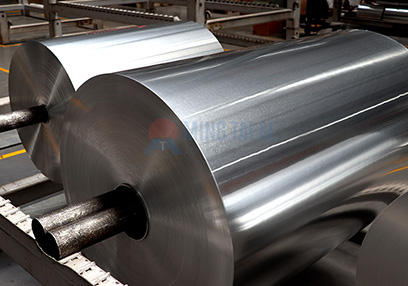
Mingtai Aluminum supplies aluminum foil materials for food-related and formed packaging applications, with an emphasis on stable quality and export-oriented service. For projects involving baking trays, consistent material performance can make a real difference in both production efficiency and final product quality.
When the application is clear and the specifications are well matched, the right foil becomes more than a raw material. It becomes part of a more reliable manufacturing process.
For tray production, 8011 aluminum foil for baking trays remains a practical material choice because it combines formability, strength, and dependable processing behavior. It is especially useful when the tray design requires clean forming, stable shape retention, and consistent output across batches.
If your project depends on reliable food-grade foil performance, Mingtai Aluminum can support your aluminum foil supply needs with materials suited to baking tray applications.