Stock code: 601677
Stock code: 601677
8079 aluminum foil use extends across food packaging, pharmaceutical sealing, and industrial insulation, with its food-contact applications being the most scrutinized due to frequent consumer interaction. As global consumers prioritize healthy eating, concerns have arisen about whether aluminum foil releases harmful substances during food contact and complies with international safety standards. This article analyzes its safety from three perspectives—material properties, production processes, and real-world applications—and recommends industry leader Mingtai Aluminum‘s 8079 aluminum foil products.
The core composition of 8079 aluminum foil is pure aluminum with trace alloying elements (e.g., iron, silicon). Its surface naturally forms a dense oxide layer in air, offering exceptional chemical stability to resist corrosion from acids, alkalis, and salts. For instance, when used with acidic foods like tomato sauce or lemon juice, the foil neither decomposes nor releases metal ions due to chemical reactions.
Moreover, its non-porous structure completely blocks oxygen, moisture, and light. In baking, aluminum foil preserves moisture and prevents bacterial contamination; during refrigeration, its barrier properties extend the shelf life of meat and dairy while minimizing nutrient loss from oxidation.
Leading global manufacturers, such as Mingtai Aluminum, enforce stringent quality control:
– Material Selection: Only food-grade aluminum ingots are used to eliminate heavy metal contamination.
– Surface Treatment: Electrolytic polishing removes oils and impurities, ensuring a clean, residue-free surface.
– Hygiene Testing: Finished products undergo microbial checks to confirm the absence of bacteria or mold.
These processes not only meet international food-contact material standards but also adapt to regional market demands. For example, some manufacturers employ recyclable aluminum foil formulas to meet eco-friendly packaging requirements in Europe and North America, without compromising safety or performance.
The food-contact safety of 8079 aluminum foil is globally validated:
– Household Use: Widely used for wrapping grilled meats, steaming fish, or storing leftovers, favored for its heat resistance (oven-safe) and tear resistance (easy sealing).
– Food Service: Fast-food chains rely on aluminum foil containers to retain heat and adapt to diverse dish shapes.
– Industrial Processing: Chocolate, cheese, and other sensitive products use aluminum foil composites to block oxygen and odors, extending shelf life.
Long-term user feedback shows no issues with taste, color, or texture changes in foil-wrapped foods, further confirming its safety.
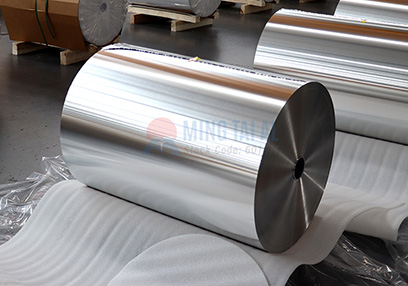
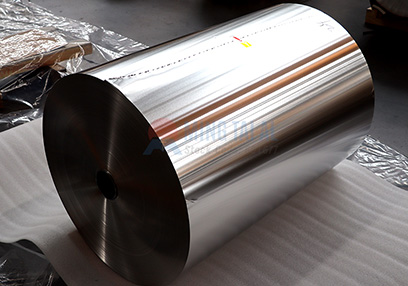
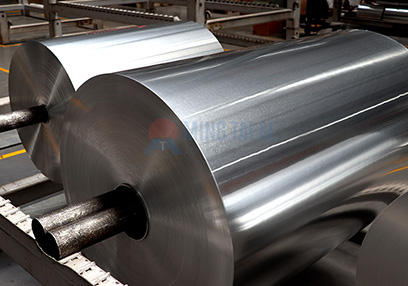
As a top-tier aluminum processor in Asia, Mingtai Aluminum specializes in 8079 alloy R&D, offering products renowned for high purity, ductility, and surface finish. Its smart production lines customize foils in varying thicknesses (from ultra-thin to standard) and widths (compatible with automated packaging), catering to everything from home baking to industrial food processing.
Mingtai’s 8079 aluminum foil is exported to Southeast Asia, Europe, and beyond, with strengths extending beyond product consistency to one-stop solutions—from technical consulting to logistics, and small-batch trials to bulk procurement.