Stock code: 601677
Stock code: 601677
In the pharmaceutical, food, and daily chemical industries, aluminum foil for blister packs is a core material for product safety due to its exceptional barrier properties, moisture resistance, and malleability. However, many brands face a critical question when customizing packaging: Can aluminum foil for blister packs achieve brand logos, usage instructions, or anti-counterfeiting features through printing? This article analyzes technical feasibility, printing process selection, alloy compatibility, and material adaptability to help global users optimize packaging design.
The printability of aluminum foil for blister packs stems from its surface treatment and material properties. While naturally soft, aluminum foil gains enhanced adhesion through coating technologies (e.g., protective or adhesive layers), ensuring durable ink bonding. Its metallic luster also creates high visual contrast with printed designs, boosting appeal. From monochrome logos to gradient patterns or complex anti-counterfeit codes, compatible printing methods can achieve vivid results without compromising the foil’s barrier performance.
Printing processes must balance precision, cost, and efficiency:
– Gravure Printing: Ideal for high-precision needs (e.g., pharmaceutical packaging), delivering fine lines, gradients, and abrasion-resistant prints.
– Flexographic Printing: Uses eco-friendly inks, offering low costs and high speed for large-scale food packaging.
– Digital Printing: Enables small-batch customization with no plate-making, ideal for multi-version demands.
Aluminum foil alloys influence processing and application:
– 8011 Alloy: Contains manganese and iron, offering moderate strength, excellent ductility, and corrosion resistance. A universal choice for blister packs, especially for rigid pharmaceutical or food packaging.
– 8021 Alloy: Optimized for superior heat-sealing performance, reducing sealant layer thickness and costs while maintaining barriers. Ideal for daily chemicals requiring tight seals.
– Ink Selection: Use compliant inks (e.g., FDA-approved for food/medicine) to avoid heavy metals or solvent residues.
– Surface Treatment: Ensure foil is clean and oil-free; corona treatment may enhance adhesion.
– Post-Printing Processes: Reserve space for laminating or heat-sealing to prevent ink damage.
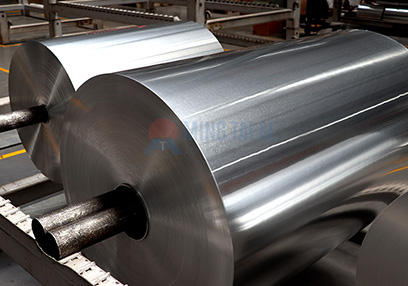
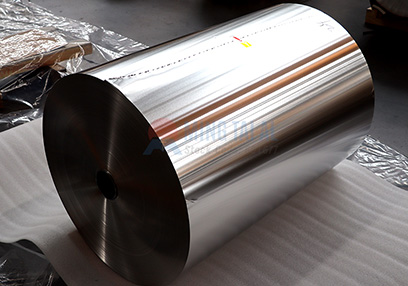
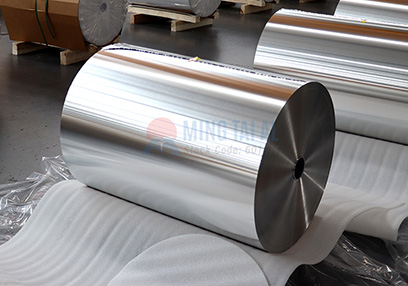
Among global suppliers, Henan Mingtai Aluminum stands out for its technical expertise and product reliability. Its aluminum foil for blister packs covers mainstream alloys (8011, 8021), features uniform coatings, and supports gravure, flexo, and digital printing—ensuring vibrant, durable prints. Mingtai also offers customization (thickness/width adjustments), small-batch trials, and mass production with short lead times and competitive pricing.