Stock code: 601677
Stock code: 601677
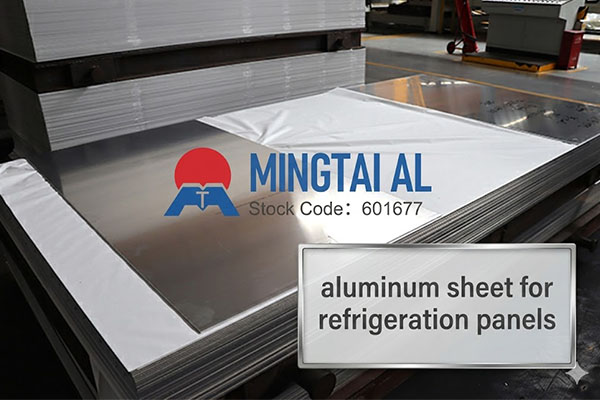
When a refrigeration system depends on stable insulation, clean appearance, and long service life, material choice matters more than it may seem at first glance. The right aluminum sheet for refrigeration panels can help support temperature control, reduce maintenance concerns, and improve the overall durability of cold-room, freezer, and transport applications.
Refrigeration panels operate in demanding conditions. Constant temperature changes, moisture, and condensation put pressure on the material over time. In such environments, the outer and inner panel layers are expected to stay stable, resist corrosion, and maintain a consistent surface.
Aluminum has become a preferred material in refrigeration-related panel systems because it offers a practical balance of performance and usability.
* Lightweight structure makes installation easier and reduces overall system load
* Natural corrosion resistance performs well in humid and low-temperature conditions
* Stable and smooth surface supports a clean and uniform panel appearance
* Good adaptability allows it to fit different panel designs and sizes
These advantages are not just technical features—they directly affect how panels perform over time, especially in environments where maintenance access may be limited.
Understanding the application helps clarify what really matters when selecting the material. Refrigeration panels are commonly found in:
1. Cold storage rooms
Long-term use with constant low temperatures and high humidity
2. Refrigerated transport systems
Panels must handle vibration, movement, and outdoor conditions
3. Commercial refrigerators and freezers
Appearance, cleanliness, and durability are key
4. Insulated sandwich panels
Used as part of layered structures for thermal efficiency
Each of these scenarios places slightly different demands on the material, which is why a one-size-fits-all approach often does not work.
Instead of focusing only on technical specifications, it is more useful to look at how the material performs in real conditions.
* In cold storage environments
Resistance to moisture and corrosion becomes more important than anything else. A stable surface helps prevent long-term issues.
* In refrigerated trucks or mobile units
Weight plays a bigger role. Lighter material can improve efficiency while still maintaining durability.
* In commercial display equipment
Surface appearance matters more. A clean, smooth finish supports better visual presentation and easier cleaning.
* In insulated panel systems
Consistency and flatness are critical to ensure proper bonding and structural integrity.
In many of these applications, commonly used options such as 3003 or 5052 alloys provide a reliable balance of corrosion resistance and strength, making them suitable choices for stable panel performance.
When selecting material for refrigeration panels, a few common issues tend to appear repeatedly. Avoiding them can save time and cost later.
* Focusing only on price
Lower-cost options may lead to faster wear or surface problems in humid environments
* Ignoring condensation conditions
Moisture exposure is constant in refrigeration systems, and not all materials handle it equally well
* Overlooking flatness and consistency
Uneven sheet can make installation difficult and affect final panel quality
* Using the same specification for every application
Cold rooms, transport units, and display equipment often require different considerations
These points may seem simple, but they often make a noticeable difference in real projects.
A straightforward approach can make the selection process easier:
* Start with the actual application scenario
* Identify the main priority (corrosion resistance, weight, appearance, or structure)
* Choose a material that balances performance with usability
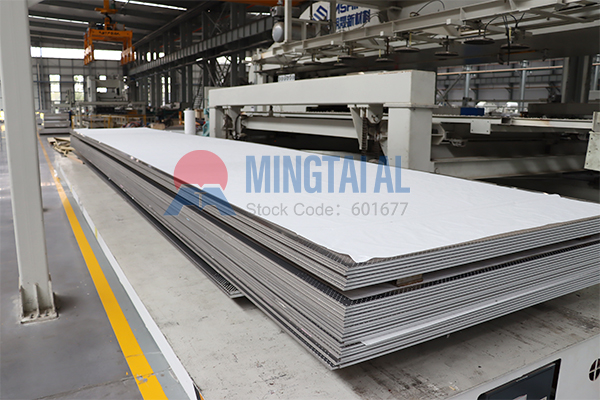
* Ensure the sheet is consistent in size and surface quality
* Work with a supplier that can provide stable and repeatable specifications
This kind of step-by-step thinking helps avoid unnecessary complexity while still leading to a reliable result.
Refrigeration systems are designed for long-term use, often running continuously under controlled conditions. The panel material plays a key role in maintaining that stability. A suitable sheet not only improves durability but also supports easier installation and better overall performance.
For projects requiring dependable aluminum sheet for refrigeration panels, Mingtai Aluminum provides stable-quality products with consistent specifications for export supply. It can be a reliable option when steady performance and material consistency are essential.
Q1: What aluminum alloy is commonly used for refrigeration panels?
A: 1060, 3003, and 5052 are commonly used, depending on the balance needed between corrosion resistance, strength, and workability.
Q2: Why is aluminum suitable for refrigeration panel applications?
A: It offers a combination of lightweight structure, corrosion resistance, and stable surface performance in cold and humid environments.
Q3: What is more important, thickness or application?
A: Application should come first. Thickness should match the structural and usage requirements of the panel.
Q4: Can the same material be used for all refrigeration panel types?
A: Not always. Different applications such as cold storage, transport, and display systems may require different material considerations.