Stock code: 601677
Stock code: 601677

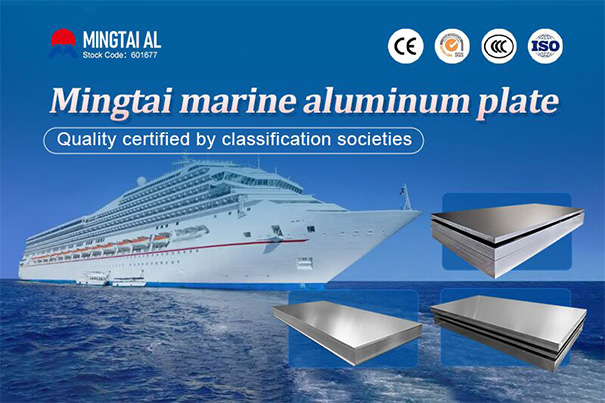
Product Models: 5083/5086 aluminum sheets
Width: 100-2650mm
Thickness: 0.15-500mm
MOQ: 8 tons
When building or refitting a yacht, the aluminum sheet you choose determines not just the vessel's weight, but its seaworthiness and lifespan. Marine-grade aluminum sheets, particularly the 5xxx series alloys, have become the preferred material for yacht hulls, superstructures, and decks due to their exceptional performance in saltwater environments. Unlike steel, they won't rust; unlike fiberglass, they won't degrade under constant UV exposure. For yacht builders and owners, understanding which aluminum sheet works best for different parts of the vessel is the first step toward a successful build.

1. Which alloy is right for your yacht? 5083 aluminum sheet offers the highest strength for hull plates and structural components; 5086 is more formable for curved sections; 5052 works well for lighter interior structures and non-critical applications;
2. What thickness do different yacht parts need? Hull plates typically require 4mm to 10mm depending on vessel size; superstructures use 3mm to 6mm; interior bulkheads and floors can use 2mm to 4mm sheets;
3. How important are certifications? For commercial yachts or insurance requirements, certified marine grades with LR, ABS, or BV classification are essential—always verify your supplier provides mill certificates;
4. What about welding considerations? Marine-grade aluminum requires specific filler metals and welding techniques; choose alloys with good weldability like 5083 to ensure strong, crack-free joints;
5. How does temper affect performance? H116 or H321 tempers offer better corrosion resistance for hull applications; H32 works well for formed parts; always specify the correct temper for your intended use.
Before placing your order, confirm your design requirements with your naval architect or builder—alloy selection, temper, thickness, and any needed certifications should be clearly specified. Send these details to Mingtai Aluminum's marine division, and our technical team will verify your selections and provide samples if needed. This upfront planning ensures your yacht gets the right material from the start, avoiding costly mistakes during fabrication or, worse, problems once the vessel is in the water.