Stock code: 601677
Stock code: 601677
Searching for “aluminum tread plate thickness” usually means the question is no longer whether to use it, but how thick it should be. If the plate is too thin, it may sag or deform after installation. If it is too thick, it adds unnecessary weight and cost. This guide covers nominal thickness, common applications, key decision factors, and frequent mistakes.
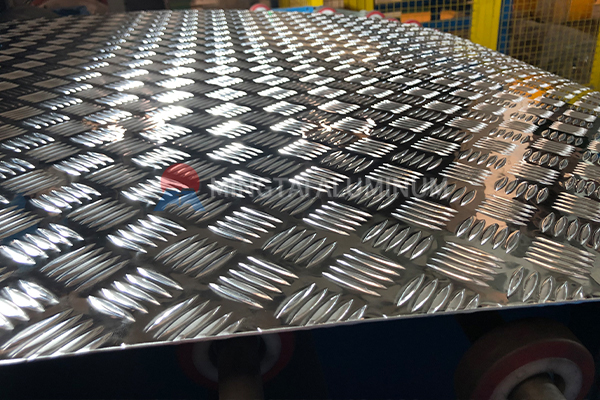
The nominal thickness of aluminum tread plate usually refers to the base plate thickness, not the raised pattern on the surface. Pattern height varies by design, so it is important to confirm whether the stated thickness is base thickness or overall thickness. This avoids misunderstandings after delivery. The base material is typically supplied in mill finish; surface treatment and further processing are handled by downstream processors.
Truck beds: Light-duty tool trucks and pickup bed liners can use thinner gauges. Medium-duty truck beds often use standard mid-range thicknesses. For frequent loading, equipment loads, or heavy-duty platforms, thicker gauges and tighter support spacing are usually required.
Ramp covers: Pedestrian or hand-cart ramps can be thinner. Vehicle and equipment ramps should be mid-range or thicker. For forklifts and other dynamic impact loads, a thicker plate and reinforcement ribs are recommended.
Thickness is not an isolated number. It should be considered together with support spacing and alloy temper.
1. Load type: Static storage and dynamic impact are very different. Forklifts and equipment moving on and off ramps create dynamic impact, so increased thickness or tighter support spacing is often needed.
2. Support spacing: The wider the bottom beams are spaced, the more likely the plate will sag. Reducing spacing is often more economical than simply adding thickness.
3. Alloy and temper: Common alloys such as 5052, 6061, and 3003 differ in strength and corrosion resistance. If space is limited, a high-strength alloy may be considered. In wet environments, corrosion resistance should be prioritized.
4. Service environment: Road salt, coastal areas, and chemical plants demand better corrosion resistance. Dry indoor areas may allow more focus on cost and weight.
The following sequence can help narrow the specification and avoid repeated changes:
– Step 1: Load type. Is it foot traffic, hand carts, passenger vehicles, or forklifts and heavy equipment? The greater the dynamic impact, the more conservative the thickness should be.
– Step 2: Support check. What is the spacing of the bottom beams or frame? Can more beams or longitudinal members be added? If support is insufficient, the support structure should be improved before increasing thickness.
– Step 3: Alloy choice. For corrosion resistance, 5052 is a common choice; for strength, 6061. Different tempers can perform very differently at the same thickness.
– Step 4: Thickness match. Once the first three steps are met, the lighter and more economical option is usually preferable to the thickest available.
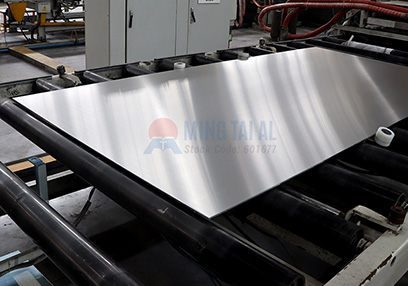
– Step 5: Delivery condition. The base material is mill finish. Cutting, bending, and surface treatment are done downstream, so it is best to coordinate with the fabricator in advance.
This checklist supports a more informed selection and helps align expectations with a supplier.
– Myth 1: Thicker is always safer. Added thickness increases weight, cost, and installation difficulty. The better approach is to review load and support first, then set thickness.
– Myth 2: Thickness alone tells the whole story. At the same thickness, different alloys and tempers can perform very differently. Alloy and thickness should be treated as a set of parameters.
– Myth 3: Support structure can be ignored. Tread plate is not self-supporting. Frame design matters just as much. If support is inadequate, adding thickness may not solve the problem.
– Myth 4: Overall thickness equals base thickness. Unclear nominal specifications lead to wrong expectations. Before ordering, it is important to confirm whether the thickness refers to the base plate or includes the pattern.
– Myth 5: Service environment does not matter. Wet and salt-laden environments demand higher corrosion resistance. When selecting material, alloy should be prioritized over simply adding thickness.
Q: What thickness is most common for truck beds?
A: Most standard truck beds use mid-range thicknesses, but the final choice depends on support and load.
Q: Does nominal thickness include the raised pattern?
A: Usually not; nominal thickness typically refers to the base plate.
Q: Is a thicker ramp cover always safer?
A: Not necessarily; support spacing, alloy, and load type also determine safety.
Q: Does aluminum tread plate need surface treatment?
A: Mill finish can be used directly, and treatment depends on the environment and appearance requirements.
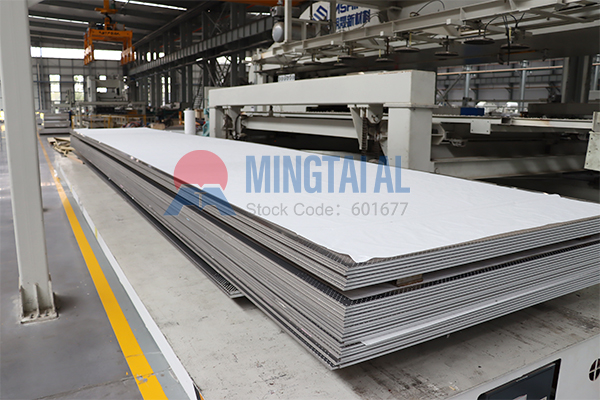
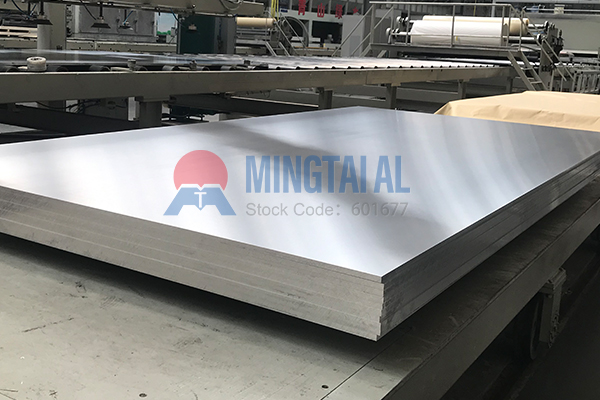
Mingtai Aluminium supplies aluminum tread plate base material in multiple specifications for truck beds and ramp covers. We focus on rolled base material, while surface treatment and further processing are handled downstream, and we can supply base material for projects that require the right aluminum tread plate thickness.