Stock code: 601677
Stock code: 601677
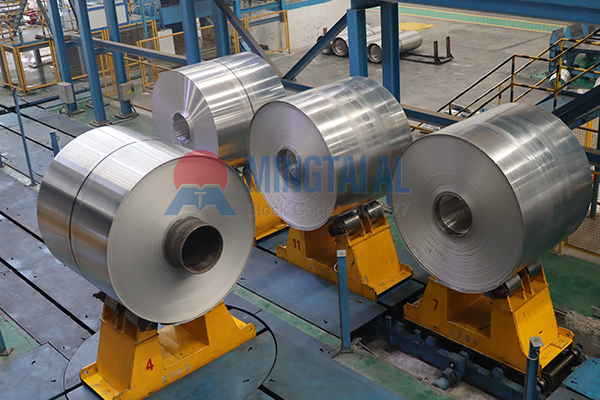
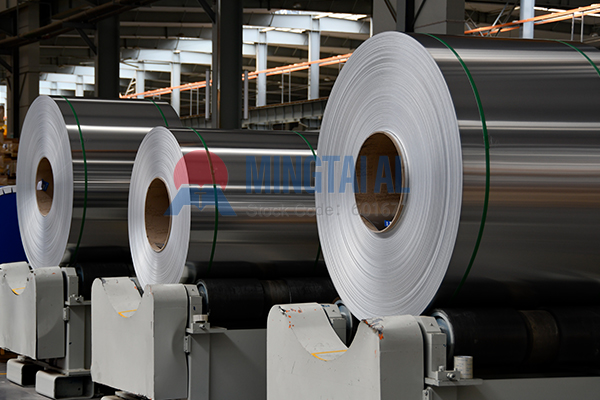
In global industrial material procurement, aluminum coils are a core raw material for industries such as automotive, construction, and electronics due to their lightweight, corrosion resistance, and workability. For buyers, accurately calculating aluminum coil weight is not only the foundation of cost estimation but also a critical step in optimizing logistics, storage, and production efficiency. However, the weight of an aluminum coil is influenced by multiple factors, including thickness, width, density, and coil diameter. How can you quickly derive the result using a simple formula? This article breaks down the calculation logic and extends the discussion to other key considerations in procurement decisions.
The core formula for calculating aluminum coil weight is: Weight = Volume × Density. Here’s how to apply it:
1. Calculate the coil volume:
Volume = Uncoiled Length × Width × Thickness.
Note: The uncoiled length can be estimated using the outer and inner diameters (accounting for the elastic deformation coefficient of aluminum).
2. >Determine aluminum density:
Pure aluminum has a density of ~2.7 g/cm³, while alloy densities vary slightly. For simplicity, use the standard value provided by your supplier.
3. Unit conversion and adjustment:
Convert volume to cubic meters (m³) and density to tons per cubic meter (t/m³) to get the weight in tons.
Tip: Suppliers often specify a tolerance range between theoretical and actual weights—ensure this is clarified in contracts.
1. Alloy Type and Performance Matching
Different applications require specific alloys:
– 3003: High corrosion resistance (e.g., building facades).
– 5052: High strength (e.g., automotive parts).
– 8011: Excellent heat sealing (e.g., food packaging).
Match the alloy to your needs to avoid over- or under-specification.
2. Surface Treatment Requirements
Surface quality impacts downstream processing. For example:
– Coated coils require strong adhesion and weather resistance.
– Printed coils demand smooth, clean surfaces.
Request detailed treatment specifications and samples from suppliers.
3. Supply Stability and Flexible Production
Aluminum coil production involves lengthy processes (casting, rolling, annealing) prone to delays. Prioritize suppliers with multiple production lines and quick order-switching capabilities to handle urgent or small-batch orders.
4. Cost Optimization Strategies
Look beyond material price:
– Transportation: Larger coil diameters may increase shipping costs.
– Processing waste: Thickness deviations can lead to trimming losses.
– Inventory: Align minimum order quantities with production plans.
Negotiate tiered pricing or annual agreements for long-term partnerships.
With decades of expertise, Mingtai Aluminum offers end-to-end solutions from alloy R&D to customized production, backed by three advantages:
– Smart Production: Digital rolling mills and real-time monitoring ensure precise thickness, width, and flatness control, minimizing weight deviations and defects.
– Agile Supply Chain: Supports fast order switching for multi-spec/small-batch needs, complemented by global warehousing to reduce lead times and logistics costs.
– Total Cost Management: Provides cost-saving solutions from material selection to process optimization, balancing performance and budget.
Whether you need help calculating aluminum coil weight or customizing performance specs, Mingtai Aluminum delivers expert support. Visit our website to submit your requirements or contact your regional sales rep for a free technical consultation and samples—making your procurement smarter and more efficient!
Contact: +86-17737126910
Web: https://www.mingtai-aluminium.com/