Stock code: 601677
Stock code: 601677
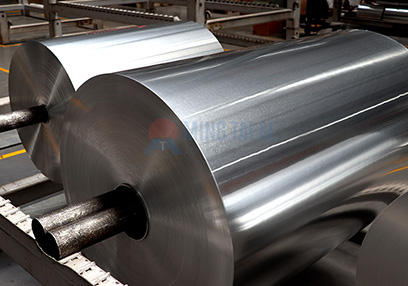
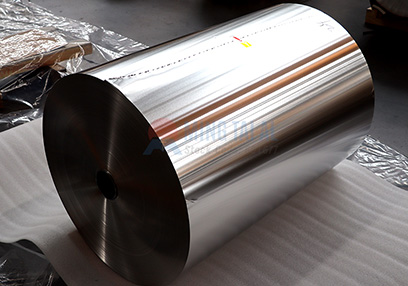
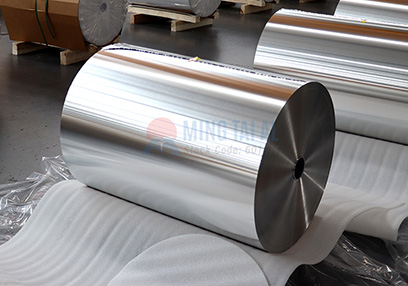
In the balance of drug safety, packaging is as crucial as the active ingredient itself. It is not just a container but the first line of defense, protecting a drug’s potency, purity, and stability. Among various packaging materials, medicine aluminum foil stands out as the indispensable core component of blister packs and sachets, thanks to its unparalleled barrier properties, material purity, and physical stability. This article delves into the essential characteristics of pharmaceutical-grade foil and provides key guidance for your procurement decisions.
Pharmaceutical foil meets the stringent demands of drug preservation through a combination of critical properties:
* Superior Barrier Performance: This is its primary function. It provides an almost perfect seal against moisture, oxygen, and light, effectively preventing drugs from moisture-induced hydrolysis, oxidation, or photodegradation, ensuring stability throughout their shelf life.
* Absolute Purity and Safety: The foil must comply with strict global pharmacopeia and food-contact regulations (e.g., FDA, EU). The material itself is non-toxic, odorless, and non-migratory, eliminating any risk of interaction with the drug product.
* Precise Physical Characteristics: Consistent thickness, tensile strength, and elongation are strictly controlled. This ensures smooth operation on high-speed blister packaging lines without wrinkling or breaking, and provides excellent suitability for printing and coating.
Selecting a supplier is a strategic decision impacting supply chain stability and product quality. We advise looking beyond price alone and conducting a comprehensive evaluation based on these key areas:
* Compliance is the Baseline: Does the supplier hold relevant certifications like ISO 15378 (specific to pharmaceutical packaging materials)? Can they provide consistent Certificates of Analysis (CoA) proving regulatory compliance? This is fundamental for risk management.
* Batch Consistency & Production Stability: Excellent lab samples do not guarantee consistent bulk supply. Focus on the supplier’s process control capabilities, in-line inspection systems, and historical delivery performance. Uniformity in parameters like thickness and tension directly impacts your production line efficiency and final product yield.
* Technical Support & Responsiveness: A strong supplier acts as a “solutions partner.” Can their technical team provide prompt, expert support when facing production line adaptation issues or new product development challenges?
* Total Cost Perspective: Consider logistical reliability, minimum order quantities (MOQ), lead times, and packaging. A dependable partner helps reduce inventory costs, minimize downtime, and optimize your Total Cost of Ownership (TCO).
* Long-Term Partnership & Sustainability: Assess if their capacity planning and environmental practices (e.g., using low-carbon aluminum) align with your long-term strategy to build a resilient partnership.
Mingtai Aluminum, as a reliable partner in the global pharmaceutical packaging chain, understands these standards deeply. We not only supply high-purity, stable-performance aluminum foil that meets international regulations but are also committed to being your solid foundation for cost optimization and risk control through superior batch-to-batch consistency, professional technical support, and flexible customer service.
Q1: What are the common alloy tempers for pharmaceutical aluminum foil?
A: Alloys like 8011-H18 and 8021-H18 are standard choices, offering the best balance of strength, flexibility, formability, and barrier properties for this application.
Q2: What is the typical thickness range?
A: It commonly ranges from 0.02mm (20μm) to 0.04mm (40μm). The specific choice depends on the required protection level for the drug and the specifications of the packaging machinery.
Q3: How is the barrier performance verified?
A: It is primarily tested by measuring the Water Vapor Transmission Rate (WVTR) and Oxygen Transmission Rate (OTR) using specialized instruments. A reliable supplier should be able to provide relevant test data or support.
Q4: Does the surface require special treatment?
A: Yes. To ensure optimal printability and strong adhesion to heat-seal coatings (e.g., VC lacquer), the foil surface undergoes specific treatments (like adjusting surface energy), tailored to the downstream conversion process.