Stock code: 601677
Stock code: 601677
In the global packaging industry, PP (polypropylene) caps are widely used in beverages, household chemicals, and other fields due to their lightweight, chemical resistance, and low cost. In recent years, the composite design of 3105 aluminum sheet for PP caps has gained traction, combining the strength of aluminum with the flexibility of PP to significantly enhance sealability, barrier properties, and aesthetic appeal. However, the choice of aluminum sheet thickness directly impacts cost, processing efficiency, and final product performance, making it a key focus for manufacturers. This article analyzes the ideal thickness range of 3105 aluminum sheets based on application scenarios, performance requirements, and industry trends.
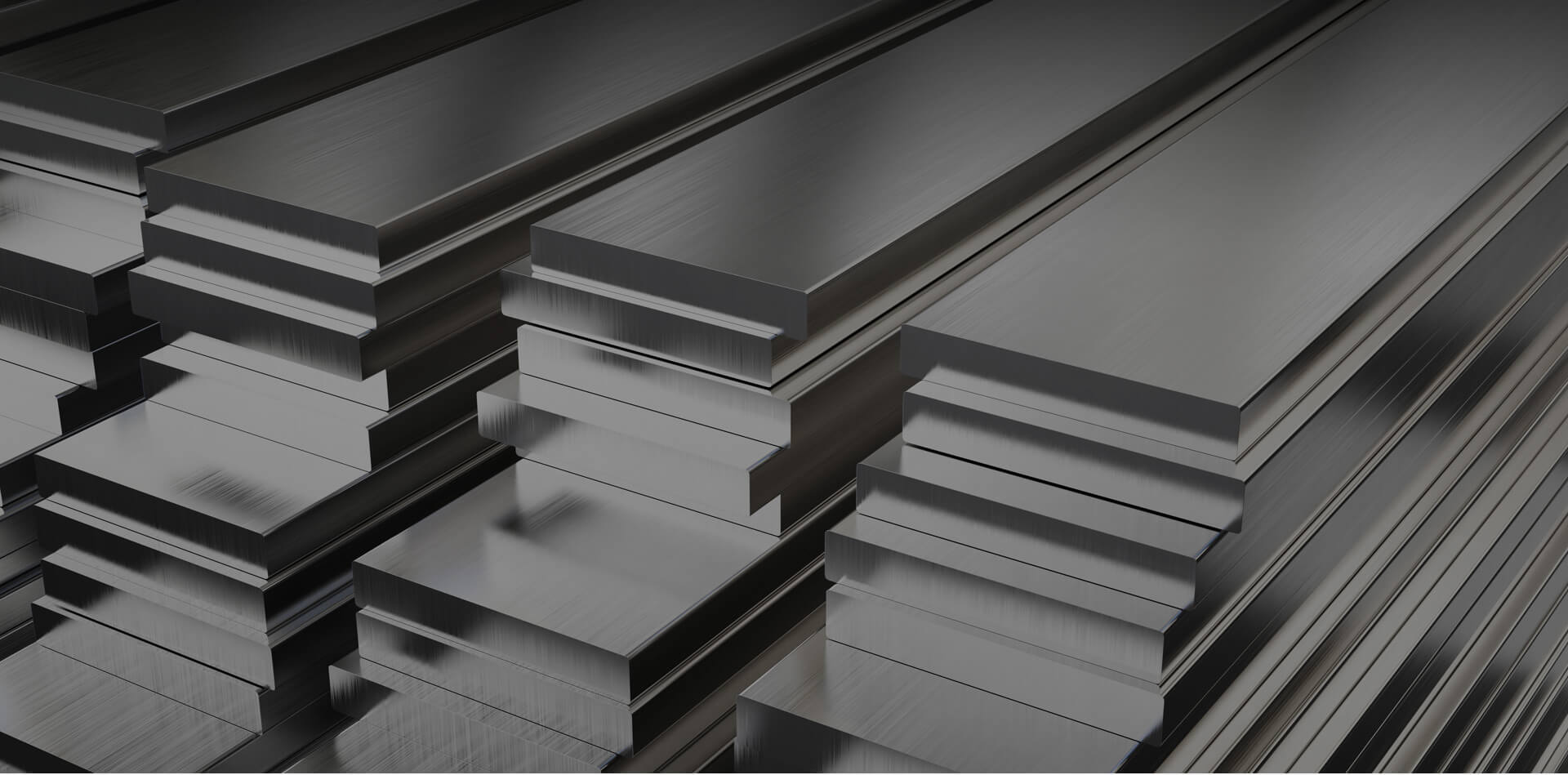
As part of the aluminum-manganese alloy series, 3105 aluminum sheet is a popular material in packaging due to its excellent corrosion resistance, formability, and surface treatment capabilities. Compared to pure aluminum or other alloys, 3105 aluminum sheet maintains lightweight properties (only 1/3 the density of steel) while achieving enhanced tensile strength through manganese, effectively resisting compression and impact during transportation. When used for PP caps, the aluminum sheet serves as the outer layer, providing a metallic finish to elevate brand value while ensuring dual protection for sealing and moisture resistance through composite bonding with the PP inner layer.
Aluminum sheet thickness directly affects processing difficulty and end-product performance. Excessively thin sheets may crack during forming or deform under external force, compromising sealability, while overly thick sheets increase material costs, reduce production efficiency, and may hinder automated packaging line speeds due to excessive weight.
– Cap size and structural design: Larger or irregularly shaped caps require thicker sheets for support.
– Composite process requirements: Thermal bonding or adhesive processes demand precise thickness alignment with the PP layer.
– Target market positioning: Premium products often opt for slightly thicker sheets for enhanced surface, while mass-market products prioritize cost control.
With tightening environmental regulations, lightweight packaging has become a global priority. The recyclability and lightweight nature of 3105 aluminum sheet for PP caps are driving its adoption as a replacement for traditional materials. Meanwhile, evolving consumer demands (e.g., anti-counterfeiting, easy-open features) are pushing thickness selection toward “precision optimization”—enhancing added value through coatings or textures rather than simply increasing thickness.
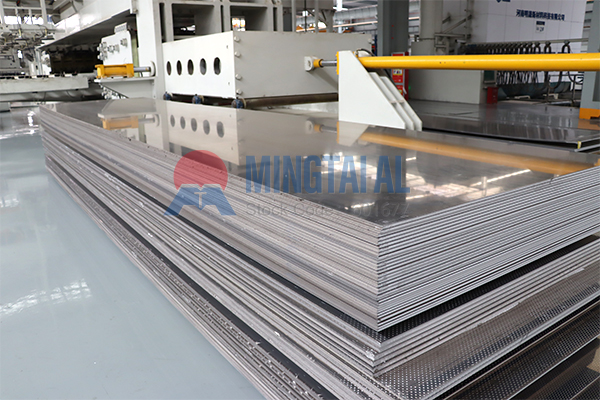
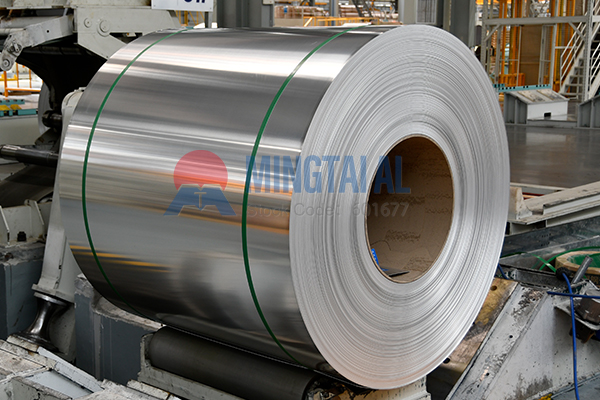
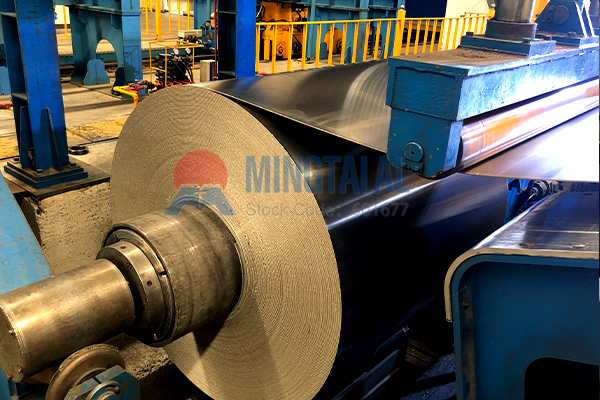
As a leading aluminum processor in China, Henan Mingtai Aluminum specializes in high-precision 3105 aluminum sheets tailored for packaging applications. Its advanced casting and rolling technologies ensure uniform thickness and superior surface finish, ideal for stamping and composite processes in PP cap production. Mingtai also offers customized thickness solutions, enabling clients to adjust parameters for optimal performance-cost balance. Whether for food, household chemicals, or pharmaceutical packaging, Mingtai’s 3105 aluminum sheet delivers consistent quality to enhance market competitiveness.
From performance optimization to sustainability, the application of 3105 aluminum sheets in PP caps is redefining innovation in packaging materials. For overseas manufacturers seeking efficient, eco-friendly solutions, selecting the right thickness and a reliable supplier is a critical step toward premium packaging markets.