Stock code: 601677
Stock code: 601677
5005 aluminum sheet for anodizing is widely used in projects where surface appearance, consistency, and finishing quality are important. Compared with general aluminum sheets, 5005 alloy is often selected for its ability to deliver a clean and uniform anodized finish, especially in decorative and architectural applications.
In many cases, the focus is not only on material strength, but also on how the aluminum sheet performs after anodizing. This is where 5005 aluminum sheet becomes a practical and reliable choice.
When selecting an aluminum sheet for anodizing, different alloys show different surface results. 5005 aluminum alloy is commonly used because it offers a good balance between workability and anodizing performance.
Key characteristics include:
* Smooth surface suitable for anodized finishes
* Consistent appearance after anodizing
* Good formability for bending and fabrication
* Stable performance in decorative applications
For projects that require anodized aluminum sheet with uniform color and clean surface, 5005 is often considered a suitable option.
Due to its surface performance, 5005 aluminum sheet for anodizing applications is widely used in industries where appearance is critical.
Architectural anodized panels
Used for curtain walls, exterior cladding, ceilings, and interior decorative panels. Large surfaces require visual consistency, making 5005 a preferred material.
Decorative aluminum sheet
Applied in interior design elements, trims, and commercial spaces where a refined surface finish is required.
Signage and nameplates
5005 anodized aluminum sheet is often used for signboards and branding plates due to its clean and uniform appearance.
Lighting and appliance panels
Lamp housings, reflectors, and appliance covers benefit from stable anodizing results and good formability.
These applications highlight why anodizing aluminum sheet 5005 alloy is often linked with appearance-focused projects.
Selecting the right 5005 aluminum sheet specifications can directly affect the final anodizing result. Several factors should be evaluated before use.
Surface quality
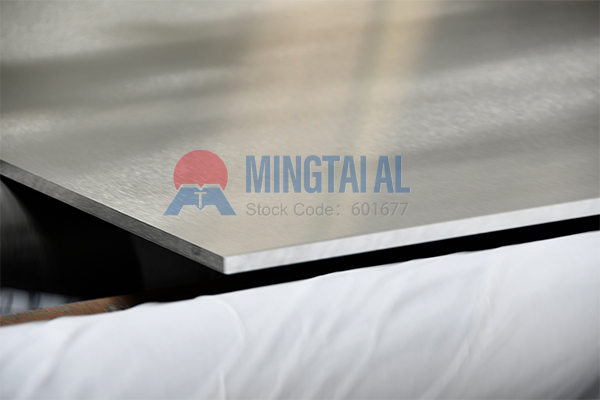
Surface condition is critical. Scratches, rolling marks, or contamination may remain visible after anodizing. A high-quality base sheet improves final appearance.
Thickness and size
Common thickness ranges vary depending on application. Thin sheets are suitable for lightweight decorative parts, while thicker sheets provide structural support for panels.
Temper selection
The temper affects both forming performance and final use. Proper temper selection helps avoid cracking during bending or shaping processes.
Flatness and tolerance
For large panels and architectural use, flatness plays a key role in installation and visual consistency.
These factors are often searched together with terms like 5005 aluminum sheet thickness, 5005 aluminum sheet properties, and anodized aluminum sheet specifications.
When comparing aluminum alloys for anodizing, 5005 is often evaluated alongside other common grades.
* 5005 vs 5052 aluminum sheet
5052 offers higher strength and corrosion resistance, but 5005 is more suitable for decorative anodized finishes.
* 5005 vs 3003 aluminum sheet
3003 is widely used as a general-purpose alloy, while 5005 provides better surface performance for anodizing.
* 5005 vs 6063 aluminum
6063 is mainly used for extrusions and profiles, while 5005 is more suitable for sheet-based applications.
This comparison helps clarify the role of 5005 aluminum sheet for anodizing vs other alloys in different use cases.
Choosing the correct material is not only about the alloy, but also about matching it to the application.
A simple selection checklist:
These steps help ensure that the selected anodizing aluminum sheet performs as expected in real applications.
If the project requires a decorative anodized aluminum sheet with consistent appearance and good workability, 5005 is often a practical option. It is widely used in architectural, industrial, and commercial applications where surface quality matters.
Mingtai Aluminum supplies 5005 aluminum sheet with stable quality and a wide range of specifications. For anodizing-related applications, it is a reliable option for projects requiring consistent material performance.
Is 5005 aluminum sheet good for anodizing?
Yes, 5005 aluminum sheet is widely used for anodizing due to its good surface quality and consistent finish.
What is 5005 aluminum sheet used for?
It is commonly used in architectural panels, decorative aluminum sheet applications, signage, and lighting components.
What thickness is available for 5005 aluminum sheet?
Thickness varies depending on application, commonly ranging from thin decorative sheets to thicker structural panels.
What is the difference between 5005 and 5052 aluminum sheet for anodizing?
5005 is more suitable for decorative anodizing, while 5052 is preferred for higher strength and corrosion resistance.