Stock code: 601677
Stock code: 601677
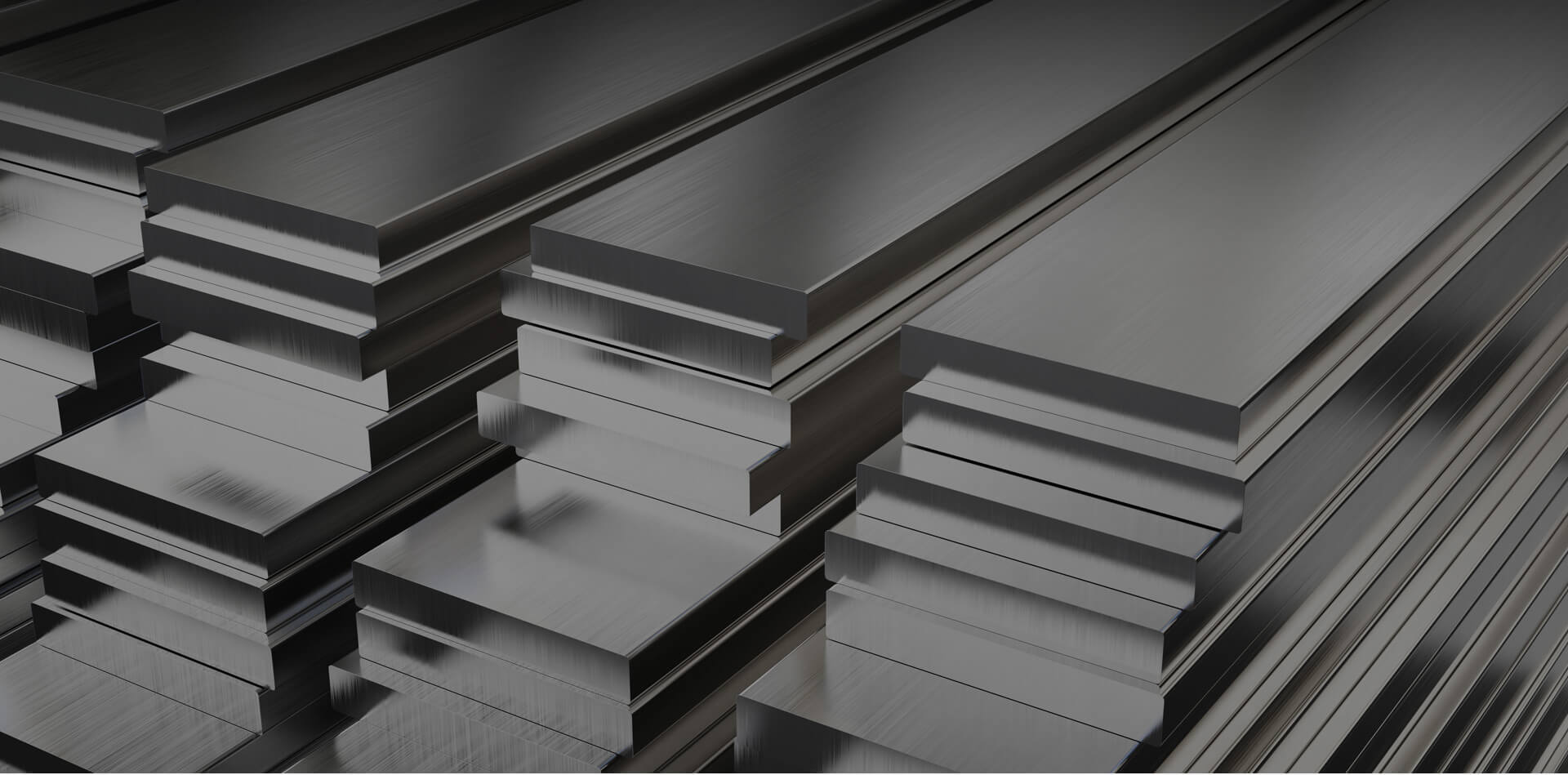
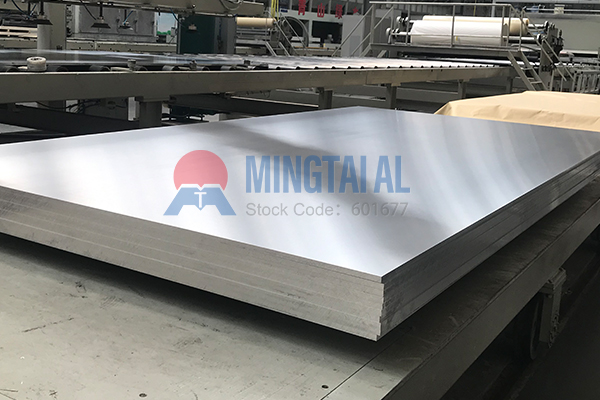
When working on structural or fabrication projects, 6061 aluminum plate cut to size is often the preferred option for achieving both efficiency and precision. Instead of adapting standard sheets, using plates tailored to required dimensions helps reduce material waste, simplify processing steps, and improve overall workflow from the start.
“Cut to size” refers to aluminum plates supplied according to specified dimensions rather than fixed stock sizes. This approach is especially useful when dealing with non-standard layouts or tight tolerances.
It allows:
* Better alignment with design drawings
* Reduced need for additional cutting
* Improved material utilization
* More predictable assembly results
For projects where accuracy matters, starting with the right size makes a noticeable difference.
6061 aluminum plate stands out because it balances multiple performance factors. It is not just about strength, but also about how well the material behaves during machining and long-term use.
Key advantages include:
* Good strength-to-weight ratio
* Reliable corrosion resistance
* Excellent machinability
* Stable mechanical properties
Because of these characteristics, 6061 is commonly used across industries where both structural integrity and processing flexibility are required.
Before selecting a plate size, several technical factors usually come into play. These specifications directly affect performance, compatibility, and downstream processing.
1. Thickness
Thickness determines load-bearing capacity and rigidity. Thicker plates are generally used for structural or heavy-duty applications, while thinner ones suit lighter components.
2. Length and Width
Custom dimensions help match project drawings more closely and minimize unnecessary trimming.
The temper defines the mechanical properties of the aluminum. For example:
* T6: high strength, commonly used in structural parts
* T651: stress-relieved, suitable for precision machining
4. Tolerance
Tighter tolerances are important when parts must fit together precisely, especially in assemblies or machined components.
6061 aluminum plate cut to size is often used in scenarios where both accuracy and efficiency are important. Some typical applications include:
* Structural base plates
* Machine components and fixtures
* Transportation equipment parts
* Industrial frames and supports
* Tooling and molds
* Prototype fabrication
In each of these cases, having the correct size from the beginning simplifies the entire production process.
Selecting the right configuration depends on how the plate will be used. A few practical guidelines can help narrow things down:
* For load-bearing structures, prioritize appropriate thickness and strength (often T6).
* For machining-intensive applications, consider tempers that offer better dimensional stability (such as T651).
* For repeat production, keeping dimensions consistent helps streamline future orders.
In addition, aligning plate size with final part geometry can reduce machining time and improve efficiency.
Choosing the correct size is not only about matching drawings, but also about improving overall efficiency in use. A few practical considerations can help optimize results:
* Allow a small machining margin when high precision is required
* Avoid overly tight tolerances unless necessary, as they may limit availability
* Consider standard thickness ranges to ensure stable supply
* Plan sizes based on final part layout to reduce scrap
These small adjustments can significantly improve both material utilization and production efficiency.
Providing clear and complete specifications makes it easier to match requirements with the right material. The following details are typically useful:
1. Alloy grade (6061)
2. Thickness
3. Length and width
4. Temper (T6, T651, etc.)
5. Quantity
6. Application or usage scenario
7. Delivery requirements
More precise information leads to more efficient communication and better alignment with project needs.
Q1: Is 6061 aluminum plate suitable for machining?
Yes. 6061 offers excellent machinability, making it a reliable choice for parts that require milling, drilling, or other precision processes.
Q2: What is the difference between T6 and T651?
T6 provides high strength, while T651 is stress-relieved, which helps reduce deformation during machining and improves dimensional stability.
Q3: Can custom sizes help reduce material waste?
Yes. Using cut-to-size plates allows better alignment with final part dimensions, which reduces excess material and improves utilization.
6061 aluminum plate cut to size offers a practical solution for projects that demand both performance and dimensional accuracy. By starting with the right specifications, it becomes easier to control material usage, improve efficiency, and maintain consistency across applications.
For stable supply and clear specification support, Mingtai Aluminum provides reliable 6061 aluminum plate solutions tailored to specific project requirements.