Stock code: 601677
Stock code: 601677
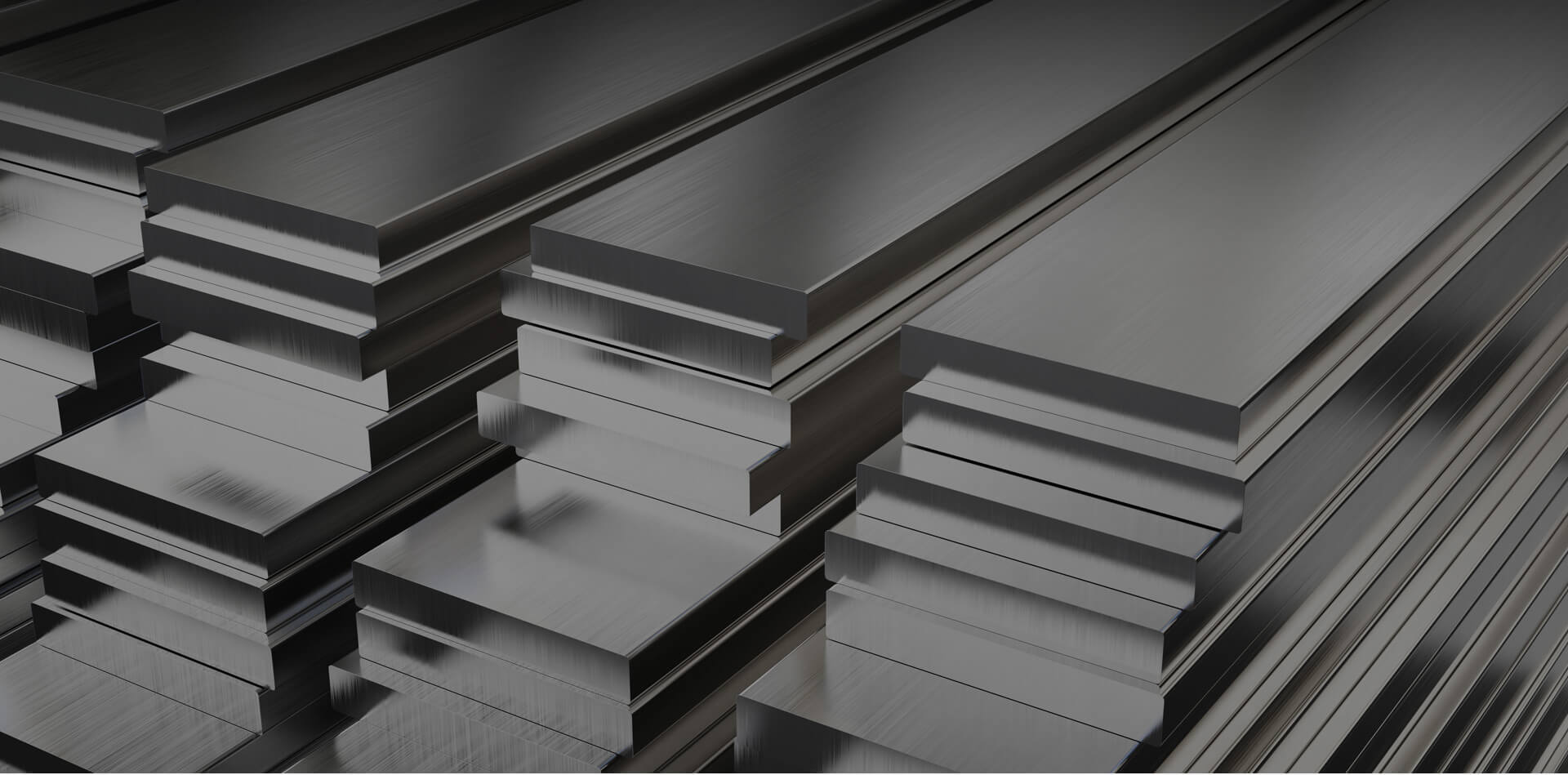
Offshore platforms are strategic hubs for energy development. They operate in the most severe marine environments: salt spray erosion, wave impact, high humidity, and heavy loads. In these conditions, the choice of deck material directly impacts personnel safety, operational efficiency, and total lifecycle cost. Traditional steel is heavy and prone to rust, with high maintenance costs. High-performance aluminum floor plate for offshore applications has become the smart choice for modern marine engineering, thanks to its inherent advantages of light weight, high strength, and superior corrosion resistance.
Platform safety is critical. The deck is the base for personnel and equipment movement. Its primary safety features are slip resistance and structural stability.
Aluminum floor plate can be rolled with integrated raised patterns (like 5-bar or diamond tread). These patterns significantly increase the surface coefficient of friction. They provide a firm foothold even in wet or oily conditions. The grooves also allow for quick drainage of water and fluids.
High-quality aluminum alloys offer good rigidity. As flooring, they effectively resist deformation and vibration. This provides a stable base for heavy equipment and a secure working surface for personnel. Furthermore, aluminum’s non-combustible nature meets strict marine fire safety standards.
Platform decks must support equipment, materials, and personnel. Sufficient strength is key, but reducing weight is equally important.
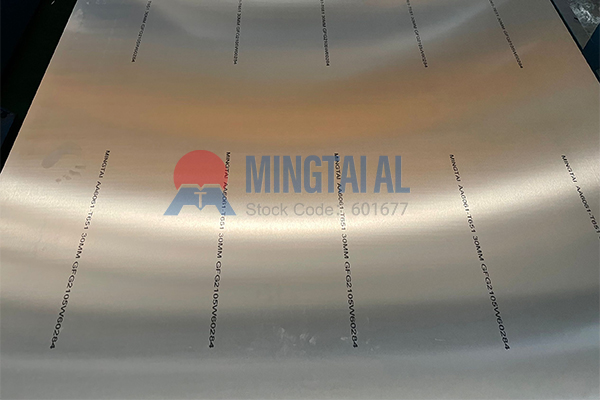
Not all aluminum is suitable for marine environments. Alloy 5083 aluminum is the premier choice for offshore platform flooring. It offers the best balance of corrosion resistance in seawater, weldability, and medium strength. Its common H116/H321 tempers are specifically optimized for corrosion resistance.
Aluminum’s density is about one-third that of steel. Using aluminum deck plate significantly reduces the permanent load on the platform’s topside. This translates to:
* Improved overall platform stability and variable load capacity.
* A lower center of gravity for floating platforms, enabling better design.
* Substantial fuel savings or increased payload over the asset’s lifecycle.
Load capacity depends on alloy strength, temper, and plate thickness. Equipment-intensive areas require thicker plate (e.g., 8-10mm and above). Walkways can use thinner gauges. Final selection must be based on load requirements calculated by a structural engineer.
Corrosion is the primary enemy of marine structures. The core value of aluminum flooring lies in its long life and minimal maintenance.
Upon exposure to air, aluminum instantly forms a dense, tough oxide layer. This self-repairing layer is aluminum’s “natural armor” against corrosion. Marine-grade alloys, with additions like magnesium and manganese, strengthen this barrier. They excel at resisting chloride ion (seawater) attack.
Unlike steel, which requires regular painting, high-performance aluminum plate often requires no additional coating in many offshore atmospheric environments. Its excellent resistance to pitting and crevice corrosion drastically reduces downtime for maintenance. This fundamentally lowers operating costs for decades.
Selecting aluminum plate for offshore platforms should focus on the material’s core properties:
* Specify the Correct Alloy & Temper: Prioritize 5083-H116 aluminum plate. It is a proven material designed for the marine environment.
* Focus on Core Performance Data: Request material certificates to confirm mechanical properties (yield strength, tensile strength) meet project specifications.
* Define Basic Parameters: Determine thickness, dimensions, and required tread pattern standard based on design.
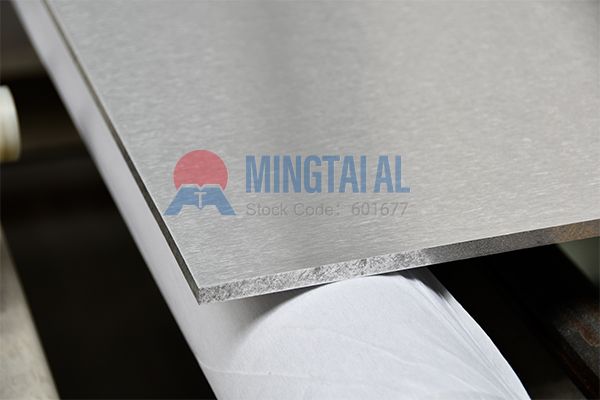
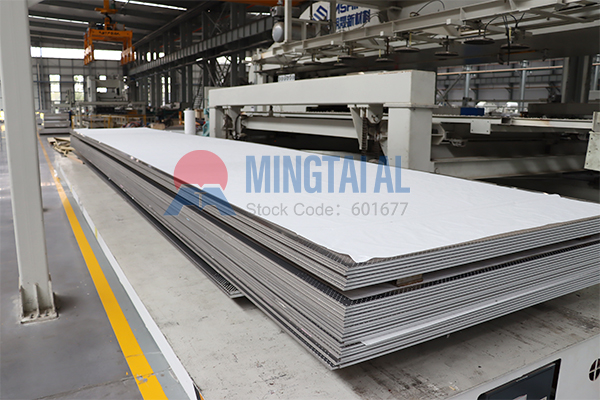
Trust Expertise for a Solid Foundation. The reliable operation of an offshore platform begins with robust choices for critical components like the deck. Mingtai Aluminum specializes in the production of high-quality 5083, 5086, and other marine-grade aluminum plate. We strictly control alloy composition and rolling processes. We ensure every sheet you receive delivers proven corrosion resistance, load capacity, and safety for harsh offshore duty. Let us be your reliable partner for durable marine aluminum flooring solutions.
Q1: Why is aluminum often used for offshore platform flooring instead of steel?
A: Three core advantages: Better corrosion resistance for longer life and less upkeep; Lighter weight to reduce load and energy use; Easier to fabricate and install.
Q2: What is the most commonly used aluminum alloy?
A: Alloy 5083 aluminum (especially temper H116) is the most common and proven choice, due to its optimal combination of seawater corrosion resistance and weldability.
Q3: How to ensure the aluminum floor plate is safe for the required load?
A: Load capacity depends on alloy strength, temper, and thickness. You must select plate with certified mechanical properties and appropriate thickness based on the structural engineer’s load calculations.
Q4: Does aluminum deck plate need painting for corrosion protection?
A: For marine-grade plate like 5083-H116, its inherent corrosion resistance is so high that no additional coating is typically required in many offshore environments, leading to significant cost savings.