Stock code: 601677
Stock code: 601677
Defining the vessel’s operating environment is the primary prerequisite.
The selection of aluminum plates for ship decks must prioritize the specific maritime conditions in which the vessel will operate. Ships sailing long-term in seawater require alloys with enhanced corrosion resistance, often achieved through specialized treatments to withstand saltwater exposure. For vessels operating mainly in freshwater environments, more cost-effective base alloys may be suitable. Factors such as salinity, water temperature, and sailing frequency also influence the durability of the aluminum plates. For example, the requirements for an ocean-going cargo ship differ significantly from those of an inland river yacht.
The 5xxx series aluminum alloys are the most widely used for ship decks. Alloy 5083, with its moderate magnesium content, offers high strength and excellent weldability, making it ideal for heavy-load applications such as cargo ship decks. Alloy 5052, known for its outstanding fatigue resistance, is often used in fishing boats or workboats subject to high-frequency vibrations. The final choice should consider vessel type, load frequency, and maintenance cycles.
As the core load-bearing and functional area of a vessel, the deck must be constructed with aluminum plates of appropriate strength. Large container ships require high-strength alloys to withstand stacked cargo pressure, while smaller fishing boats benefit from a balance of fatigue resistance and lightweight properties. Additionally, pattern design (e.g., five-bar or diamond patterns) improves slip resistance in wet conditions, enhancing operational safety. Some specialized vessels may also require compatibility between the aluminum plates and welding techniques to ensure structural integrity.
Certification from internationally recognized ship classification societies is a fundamental indicator of quality. Certified aluminum plates undergo rigorous testing, including material composition analysis, mechanical property evaluations, and corrosion resistance tests, to ensure compliance with International Maritime Organization (IMO) standards. Non-certified products may contain structural defects or excessive impurities, increasing the risk of fatigue cracks or stress corrosion cracking. Buyers should request complete certification documents and verify batch numbers against test reports.
The final properties of aluminum plate are heavily influenced by its processing. Key considerations include:
* Temper Designation: The H116 temper enhances resistance to exfoliation corrosion, ideal for high-humidity environments, while the H321 temper optimizes work hardening for better formability.
* Width & Thickness: Extra-wide plates require specialized rolling to minimize internal stress and prevent deformation. Thick plates need homogenization heat treatment to ensure consistent mechanical properties.
* Supplier Capability: The precision of a supplier’s production equipment and process control is critical for product reliability and consistency.
Mingtai Aluminum stands out as a premier supplier for several reasons:
* Comprehensive Product Range: Offers full-range products including alloys 5083 and 5052, with support for custom specifications.
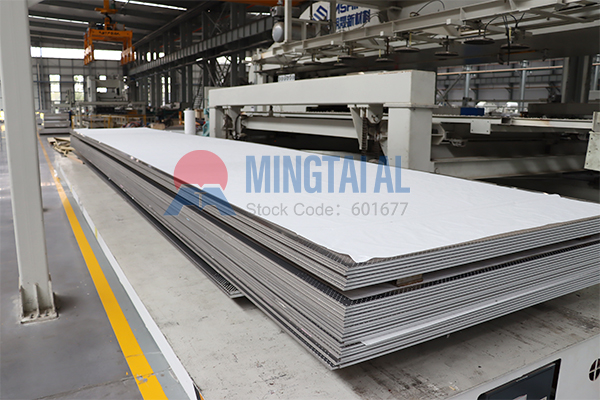
* Advanced Technology: Utilizes industry-leading homogenization heat treatment and precision rolling technologies. Their ultra-wide plate technology (up to 2600mm wide) reduces welds and enhances safety.
* Global Support & Certification: Products meet international certifications, backed by a global logistics network for flexible order fulfillment and dedicated technical support.