Stock code: 601677
Stock code: 601677
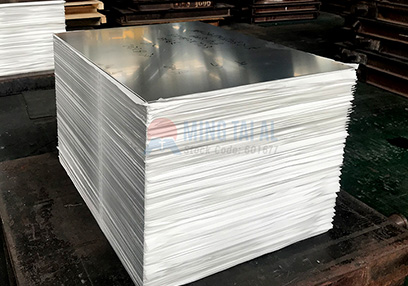
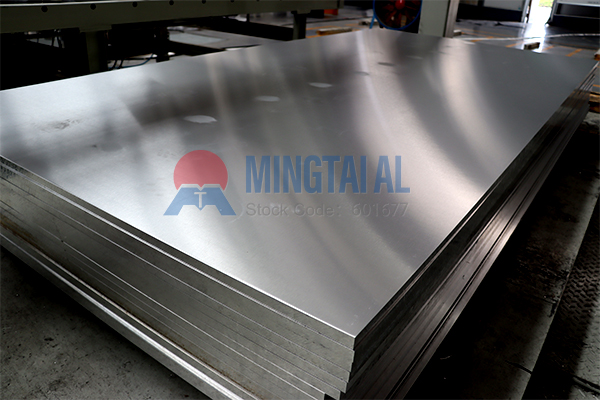
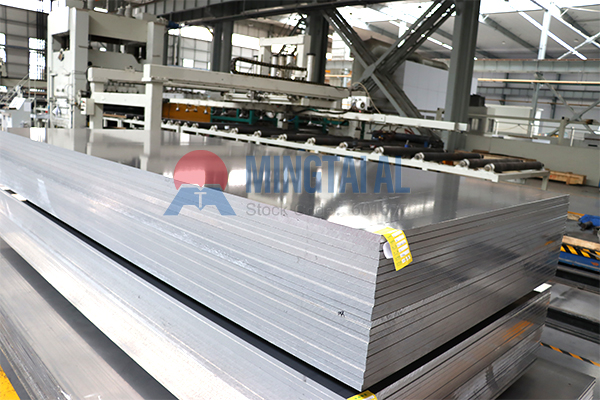
The global manufacturing and construction industries continue to see rising demand for aluminum sheet in bulk, driven by applications ranging from automotive lightweighting and building facades to electronic device housings. Valued for its corrosion resistance, workability, and recyclability, aluminum has become a critical material. For corporate buyers, securing high-quality aluminum sheet in bulk at wholesale prices—while ensuring supplier credibility and product standards—has emerged as a key supply chain priority. This guide explores three essential considerations: alloy types, thickness selection, and supplier vetting.
The alloy type directly impacts the physical properties and applications of bulk aluminum sheets. Common industrial-grade alloys include:
– 1xxx series (pure aluminum): Ideal for electronic components due to high conductivity and ductility.
– 3xxx series (manganese alloys): Offers balanced strength and formability for general-purpose use.
– 5xxx series (magnesium alloys): Resistant to seawater corrosion, making it suitable for marine applications.
– 6xxx series (magnesium-silicon alloys): Preferred for structural and automotive parts thanks to its weldability and machinability.
Selecting the right alloy based on project requirements prevents costly mismatches in performance.
Bulk aluminum sheets typically range from 0.2mm to 200mm, catering to diverse needs:
– Ultra-thin (0.2–1mm): Used in battery foils and lightweight packaging.
– Medium (1–50mm): Commonly applied in construction and machinery.
– Thick (50mm+): Reserved for high-strength sectors like aerospace and shipbuilding.
Procurement strategies should balance thickness with processing costs—excessive thinness may compromise durability, while overly thick sheets increase logistics and fabrication challenges. Discuss custom cutting options with suppliers to optimize efficiency.
Reliable suppliers are critical for quality assurance. Key steps include:
1. Verify credentials: Prioritize manufacturers with 10+ years of experience and multinational clientele.
2. Test samples: Check surface finish, oxide layer thickness, and other benchmarks.
3. Assess supply chain stability: Evaluate raw material sourcing, production lead times, and logistics responsiveness.
4. Review references: Analyze peer feedback and third-party certifications to mitigate risks.
Suppliers offering customization (e.g., tailored tolerances) can further streamline procurement.
As a global leader with over 20 years of expertise, Mingtai Aluminum stands out as a trusted partner for bulk aluminum sheet procurement. Their portfolio spans 1xxx to 8xxx alloys and thicknesses from 0.1mm to 300mm, supporting customized solutions for construction, automotive, and electronics industries. Certified under ISO 9001, Mingtai implements end-to-end quality control—from raw material traceability to final inspection—ensuring compliance with international standards. For buyers prioritizing cost-efficiency and supply chain reliability, Mingtai delivers unmatched value.