Stock code: 601677
Stock code: 601677
For many industrial buyers, understanding how to prevent aluminum sheet corrosion is essential before placing an order. While aluminum is known for its natural resistance, real-world conditions such as humidity, transportation, and storage can still lead to unexpected surface issues. Instead of reacting after problems appear, it is far more effective to control risks from the beginning.
Aluminum sheet corrosion rarely happens overnight. In most cases, it develops gradually due to a mix of environmental exposure and handling conditions. High humidity, salt-laden air, chemical contact, and improper packaging all play a role.
Another key point is timing.
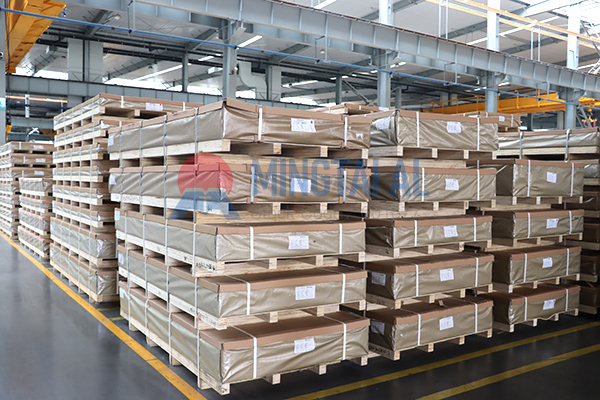
Many buyers assume corrosion happens during usage, but in reality, it often starts earlier—during shipping or storage. Trapped moisture inside packaging, especially in long-distance export, can silently damage the surface before the material even reaches the customer.
(Small decision, big impact)
Choosing the right aluminum sheet is one of the most effective preventive strategies. Instead of focusing only on price, buyers should match material properties with actual application scenarios.
Key factors to evaluate:
* Indoor vs outdoor application
* Exposure to moisture, salt, or chemicals
* Required strength and forming performance
* Storage duration before use
If there is one stage where corrosion is most often overlooked, it is storage and logistics.
Instead of writing a long explanation, here is what actually matters in practice:
Do:
* Keep sheets in dry, ventilated indoor spaces
* Use moisture-proof packaging for export
* Maintain packaging integrity during transit
Avoid:
* Direct ground contact
* Rain exposure or high humidity environments
* Sudden temperature changes without protection
Not all prevention methods are complex—many are about consistency.
Keep the surface clean. Keep it dry. Avoid unnecessary contact with other metals.
That’s the simple version.
A slightly more structured approach looks like this:
These small actions can significantly extend the usable life of aluminum sheets in real projects.
Before finalizing your order, it is worth checking whether any of these apply:
✔ Assuming aluminum will never corrode
✔ Choosing based only on price
✔ Ignoring warehouse conditions after delivery
✔ Overlooking packaging during export shipping
✔ Not considering the full lifecycle (storage → transport → use)
If you recognize even one of these, there is room to improve your corrosion prevention strategy.
Q1: Why does aluminum sheet corrode?
Because long-term exposure to moisture, salt, or chemicals can gradually damage the surface.
Q2: What is the most effective prevention method?
Proper material selection, dry storage, and avoiding metal contact are the key steps.
Q3: Is aluminum suitable for coastal environments?
Yes, but it requires stricter control of storage and application conditions.
Q4: What is the ideal storage method?
A clean, dry, and ventilated indoor environment with moisture protection.
In practice, understanding how to prevent aluminum sheet corrosion is not about one single solution, but about making better decisions at every stage—from material selection to final use. Mingtai Aluminum supports global buyers with consistent-quality aluminum sheets and application-based recommendations to help reduce risk and improve long-term performance.