Stock code: 601677
Stock code: 601677
For outdoor aluminum sheet selection, mill finish vs anodized vs painted aluminum is a common comparison. Each option differs in appearance, weather resistance, maintenance, and cost. This guide focuses on real outdoor use and helps you choose with fewer costly surprises.
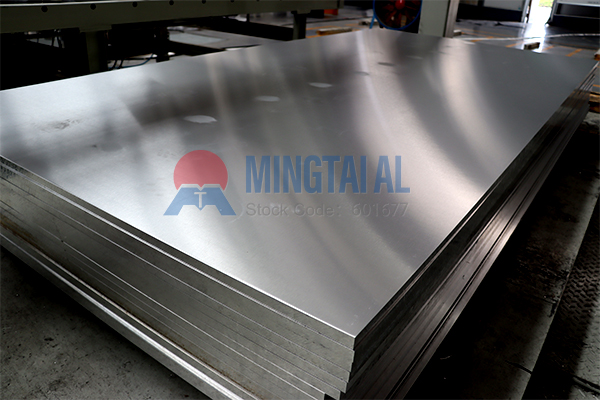
– Mill Finish: Mill finish aluminum sheet is rolled and left without extra surface treatment. It keeps a natural oxide film and may show rolling lines, slight color variation, or oil residue. Its look is raw and uncoated.
– Anodized: An electrochemical process grows a dense oxide layer on the aluminum surface. This layer bonds tightly to the base metal, resists flaking, and adds surface hardness.
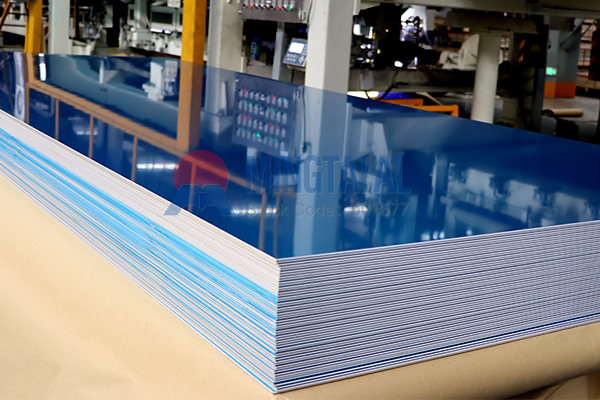
– Pre-Painted: Pre-painted aluminum sheet is coated on a coil coating line and then cured. Polyester and PVDF fluorocarbon coatings are common. The coating acts as a barrier and offers many color options.
Mingtai Aluminum focuses on aluminum sheet and coil base material. We do not provide surface treatment or further processing; those steps are handled by specialized downstream finishers.
– Mill finish: The natural oxide film is thin, so damp or coastal environments can lead to pitting and oxidation discoloration.
– Anodized: The anodized layer is dense and performs well against salt spray and weather, making it suitable for long-term outdoor exposure.
– Pre-painted: The coating forms a barrier. PVDF systems offer strong weather resistance; polyester coatings are less durable.
– Mill finish: Without color protection, the surface can change appearance after long sun and rain exposure.
– Anodized: Clear and electrolytic colored anodized finishes are stable. Dyed bright colors have weaker lightfastness, so choose carefully.
– Pre-painted: PVDF resists UV well and holds color longer. Polyester coatings need more caution in high-UV areas.
– Anodized aluminum has a hard oxide layer and good scratch resistance.
– Pre-painted coatings are tough, but generally not as hard as anodized surfaces.
– Mill finish is the softest and can mark easily during transport and installation.
– Mill finish needs regular checks, and pitting should be treated promptly.
– Anodized surfaces need little maintenance; a neutral cleaner is usually enough.
– Pre-painted surfaces need gentle, regular cleaning. Avoid abrasive cleaners.
Do not focus only on unit price. In outdoor projects, maintenance, replacement, and rework often drive the real cost. A simple three-step review helps:
1. Initial purchase price
2. Maintenance and cleaning cost
3. Replacement or rework cost
Anodized and PVDF pre-painted sheets are usually more forgiving over time, while mill finish may need earlier replacement. A lifecycle view gives a fairer comparison.
The choice in mill finish vs anodized vs painted aluminum often comes down to the application. Use the list below as a starting point:
– Architectural facades and roofs: PVDF pre-painted or electrolytic colored anodized.
– Coastal or high-salt areas: Anodized or PVDF pre-painted; mill finish is not recommended.
– Outdoor signage: Pre-painted sheet offers more color; for short-term use, mill finish plus field painting can work.
– Industrial equipment enclosures: Anodized or thick-film PVDF.
– Temporary structures: Mill finish can be considered if appearance changes are acceptable.
For outdoor aluminum sheet and coil base material, Mingtai Aluminum offers multiple alloys and custom specifications. Contact us for samples and a quotation.
Q1: Can mill finish aluminum be used outdoors?
A: Yes, but it may pit in damp or coastal areas and needs regular maintenance.
Q2: Does anodized aluminum fade?
A: Clear and electrolytic colors are stable, while dyed bright colors have weaker lightfastness.
Q3: PVDF or polyester pre-painted?
A: Choose PVDF for long-term outdoor use; polyester is an option for milder conditions and tighter budgets.
Q4: Can anodized scratches be repaired?
A: Small marks can be touched up, but large damage needs re-anodizing and cannot be spot-repaired like paint.
Q5: Can mill finish aluminum be painted later?
A: Yes, but the surface must be thoroughly cleaned and primed with an aluminum-specific primer, or the coating may peel.