Stock code: 601677
Stock code: 601677
Finding the right aluminum coil suppliers is often more critical than just comparing prices. Issues like inconsistent quality, delayed deliveries, or poor communication can derail your project. How do you make a smart choice among numerous options? This comprehensive guide walks you through the key evaluation points.
Clear specifications enable efficient communication and precise matching. Before contacting suppliers, clarify the following:
Different alloys determine final performance. Common examples:
– 1xxx Series (e.g., 1100): High purity, excellent corrosion resistance, thermal and electrical conductivity. Often used for chemical equipment and deep-drawn parts.
– 3xxx Series (e.g., 3003/3004): Good rust resistance and formability. Ideal for cookware, building cladding, and heat sinks.
– 5xxx Series (e.g., 5052): High strength, excellent marine corrosion resistance. Widely used in shipbuilding, vehicle manufacturing, and pressure vessels.
This is the foundation for quoting. Determine: thickness, width, length, and inner diameter. Precise requirements help suppliers provide accurate solutions quickly.
Informing suppliers about your product’s use (e.g., building facades, automotive parts, food packaging) allows them to offer more suitable material recommendations from a professional perspective.
With clear needs, you can screen suppliers using these key criteria.
Reliable suppliers implement strict internal control systems. They use spectrometers to ensure precise composition and online thickness gauges for uniform tolerances. Products should meet international or national standards like ASTM, GB, or EN. Consistent quality safeguards your production continuity.
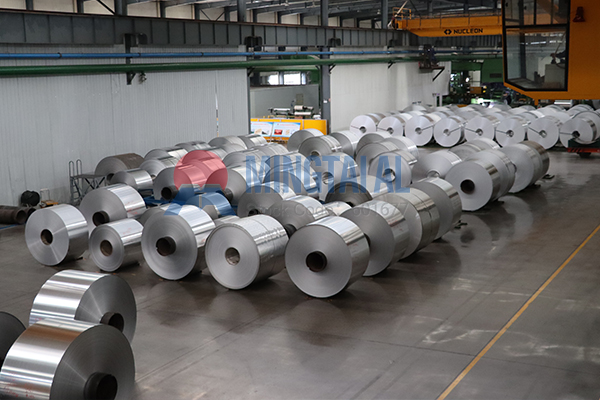
Assess the factory’s actual scale, capacity, and inventory levels. Large manufacturers typically have ample raw material reserves and rapid response capabilities. This ensures stable supply for both bulk and urgent orders.
A good supplier acts as a consultant, not just a seller. They should understand your processing techniques, offer professional material selection support, and provide effective solutions when issues arise. Smooth, efficient communication is vital.
Check for certifications like ISO 9001. More importantly, ask for proven success cases within your industry (e.g., construction, transportation, packaging). Extensive experience means they better understand your challenges.
Pay attention to packaging details (moisture and damage prevention) and logistics arrangements. Trustworthy suppliers provide clear delivery timelines and honor them reliably, ensuring your supply chain plans run smoothly.
– Focusing only on price, ignoring total cost. Low prices may hide risks: substandard quality can increase scrap rates and cause production halts, leading to losses far exceeding material savings.
– Overlooking MOQ and lead time. Always confirm the minimum order quantity and production cycle upfront to align with your project schedule.
– Failing to verify the factory. Prioritize direct manufacturers over intermediaries. Consider on-site visits or factory videos to assess their real capabilities.
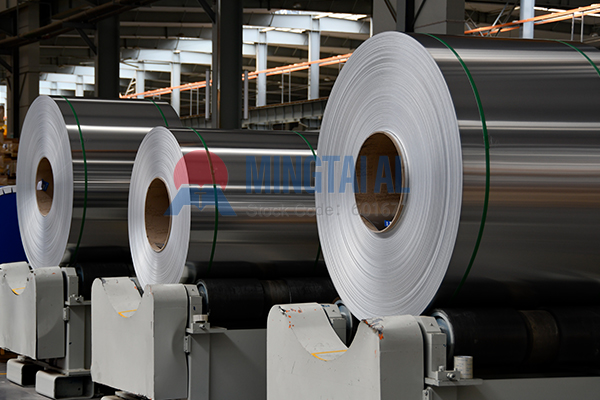
As a manufacturer with years of experience in the aluminum industry, Mingtai Aluminum understands the importance of each standard mentioned above. We specialize in providing high-quality aluminum coil raw materials. Every step—from alloy smelting to precision rolling—is under strict control. We offer diverse product specifications and, backed by a strong R&D and technical team, are committed to providing professional, reliable material selection support and supply services for every client.
Let expertise be the backbone of your supply chain. Mingtai Aluminum delivers stable quality and efficient service, helping you perfectly match requirements and ensure smooth production.
Q: What are common aluminum coil alloys and their uses?
A: Alloy 1100 is for chemical equipment and deep-drawn parts. 3003/3004 is common in cookware and building panels. 5052 is suitable for marine and automotive applications requiring higher strength and corrosion resistance.
Q: What information is needed for a quotation?
A: Please provide: alloy, temper (e.g., O, H18), thickness, width, target quantity, and end-use. This ensures an accurate quote.
Q: What is the typical lead time?
A: Lead time depends on specifications and quantity. It is shorter for standard stocked items. We provide a clear timeline upon receiving your detailed requirements.
Q: Can Mingtai Aluminum produce custom specifications?
A: Yes. We specialize in producing aluminum coils to meet custom requirements. Please contact us with your detailed specifications.