Stock code: 601677
Stock code: 601677
Choosing an aluminum grade for structural weldments is not a simple base-metal comparison. 6061-T6 often looks stronger on paper, so it gets selected first. But after welding, the heat-affected zone can lose much of that advantage. 5083 is not always the highest-strength alloy, but it is built for welding. The real question is not which alloy is stronger. It is which alloy still performs after the weld cools.
5083 is a non-heat-treatable alloy. Its strength comes from magnesium in solid solution and from work hardening. Welding heat affects it, but the drop is usually more moderate, and the welded part does not need a full post-weld heat treatment to be useful.
6061 is a heat-treatable alloy. Its strength depends on age-hardening particles. Welding disrupts those particles in the heat-affected zone. Strength falls, and the result is more sensitive to welding parameters.
A simple way to put it: 5083 is designed around welding; 6061 needs welding to be carefully controlled.
– 5083 offers a wider welding window, good resistance to hot cracking, and mature filler metal options. It suits long seams, multi-pass welds, and complex structures.
– 6061 is more sensitive to solidification cracking. Filler metal selection matters, and heat input must be controlled.
If a project involves heavy welding, complex joints, or costly rework, 5083 is usually the lower-risk choice.
For 6061, the heat-affected zone should not be treated as if it still has T6 properties. The welded joint becomes the weak point. For 5083, strength retention after welding is generally better, and fatigue behavior is more stable. In cyclic loading applications—transport equipment, marine structures, bridge components—weld fatigue often sets the service life.
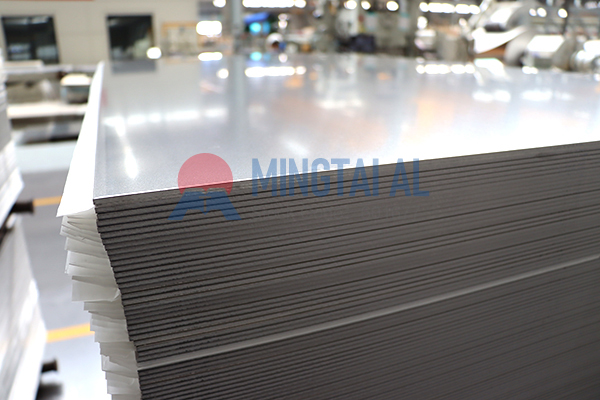
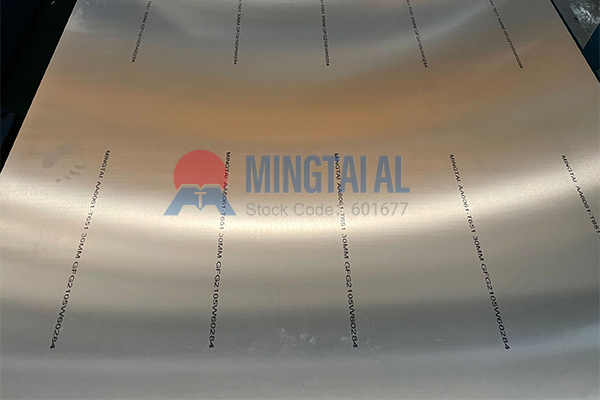
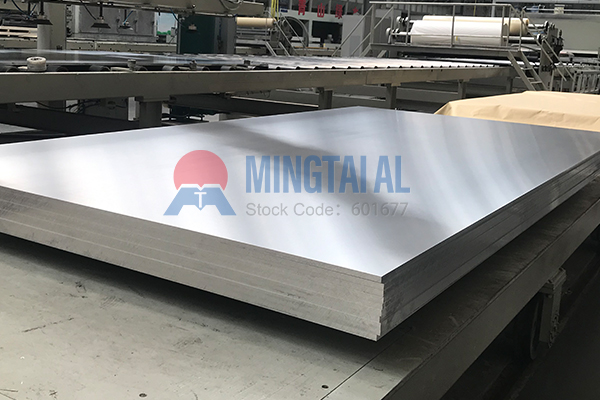
The aluminum plate discussed here is supplied in rolled form. Surface treatment and further processing are not part of the scope.
5083 performs well in seawater, salt spray, and chemical environments. It is a common choice for ships, offshore structures, and damp industrial settings.
6061 is usually fine in normal atmosphere and fresh water. It is not the best choice for long-term seawater immersion or splash zones. After welding, the heat-affected zone of 6061 can become even more vulnerable.
If the structure will contact seawater, 5083 is normally the default choice.
– Machining: 6061 cuts more easily and is better for drilling, milling, and tapping.
– Forming and welding: 5083 is better suited to large welded structures and cold forming.
– Cost: 5083 usually costs a little more than 6061, but savings in weld repair, inspection, and service life can offset the difference.
– Supply form: 5083 is mainly supplied as plate; 6061 is available as plate and extrusion.
– Welding is the main connection method.
– The service environment includes seawater, salt spray, or chemicals.
– The structure sees cyclic loads or fatigue concerns.
– There are many welds, large assemblies, or high rework costs.
– Machining and bolted connections dominate.
– The environment is indoor or generally mild.
– Static loads are the main concern and welds are limited.
– Cutting efficiency and extrusion availability matter most.
1. A stronger base metal means a stronger welded structure. Not always—the heat-affected zone often decides.
2. 6061 can be restored by post-weld heat treatment. For large structures, full heat treatment is difficult, costly, and sometimes impractical.
3. 5083 is too weak for load-bearing work. For many welded structures, retained weld strength matters more than peak base-metal strength.
4. The two alloys can be mixed freely. For critical joints, dissimilar welding makes performance harder to predict.
The right aluminum grade for structural weldments is the one that still performs after the weld cools. Mingtai Aluminum supplies 5083 and 6061 aluminum plate in rolled form, with sizes covering common needs for welded structures. Contact us for selection advice and a quotation.
Q: Which is better for welded structures, 5083 or 6061?
A: If welding is the main connection method, 5083 is usually the better choice.
Q: Does 6061 lose strength after welding?
A: Yes, the heat-affected zone can lose strength, so original properties should not be assumed.
Q: Is 5083 more expensive than 6061?
A: It is often a little more expensive, but weld repair and service life can change the overall cost.
Q: Can 6061 be used in seawater?
A: It is generally not recommended for long-term seawater or salt-spray exposure, especially after welding.