Stock code: 601677
Stock code: 601677
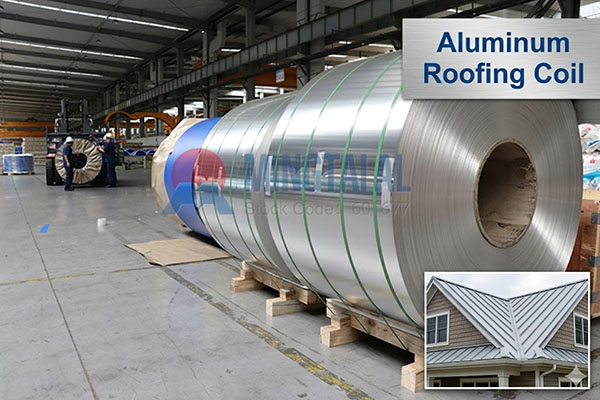
When a roofing project needs a material that can stay light, resist corrosion, and support long-term performance, aluminum roofing coil is often part of the conversation. The real question is not only whether it performs well, but how long it can keep doing the job once it is installed on an actual roof.
The answer depends on more than the metal itself. Climate, installation quality, maintenance habits, and the specification chosen for the project all play a role. That is why a useful lifespan discussion should go beyond a simple number and explain what helps the material last longer in real conditions.
Aluminum is known for its corrosion resistance and weather adaptability. In roofing applications, that matters because the roof is exposed to sunlight, rain, wind, temperature change, and sometimes salt or industrial pollutants every single day. A well-matched system can deliver long service life, but the result is always shaped by the surrounding environment and the way the roof is built.
Rather than asking for one fixed lifespan, it is more helpful to ask:
* Is the project in a coastal, inland, hot, or industrial environment?
* Is the roof expected to face heavy rain, strong UV exposure, or frequent temperature swings?
* Was the material chosen with the right thickness and finish for the application?
* Was the installation done with proper handling and fastening practices?
These questions often matter more than a single lifespan estimate.
1) Climate and exposure
The same roofing material can perform differently in different places. A roof in a dry inland region may age more slowly than one in a salt-heavy coastal zone. Strong sunlight can also affect long-term surface appearance, while moisture and airborne contaminants may accelerate wear in harsher environments.
2) Material specification
Thickness, alloy choice, and surface condition all influence durability. A stronger specification is not always about making the roof heavier; it is about matching the material to the load, span, and exposure level of the project. Choosing the right specification can improve both performance and value over time.
3) Installation quality
Even a high-quality sheet or coil can underperform if it is handled poorly during fabrication or installation. Scratches, dents, improper fastening, poor overlap, or weak sealing can create weak points that shorten service life. Clean workmanship helps protect the material from early failure.
4) Maintenance habits
Roofing systems last longer when they are inspected and cleaned regularly. Leaves, dust, salt, and standing water should not be ignored. Small issues are usually easier and less expensive to address early than after they become visible damage.
A roof that is aging properly usually shows steady performance rather than sudden problems. Some healthy signs include:
If these conditions remain consistent, the system is likely being supported by both good material selection and good maintenance.
Why aluminum is often chosen for roofing projects
Aluminum is popular in roofing because it offers a useful balance of lightweight performance and long-term durability. That combination can make installation easier while helping reduce structural load. It is also well suited to projects where resistance to rust and weather exposure matters.
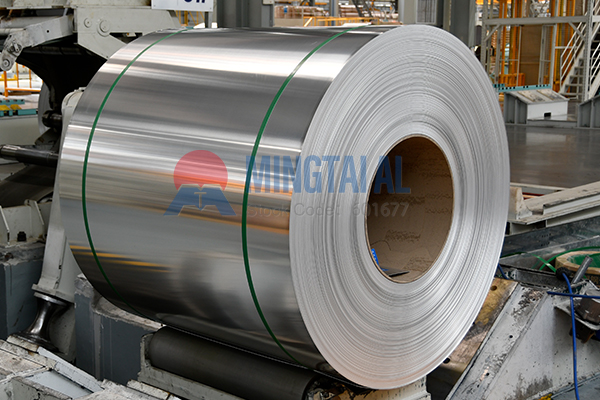
Common roofing grades such as 3003 aluminum coil and 3105 aluminum coil are often selected for their durability and weather resistance.
A few simple decisions can make a big difference over time:
* Choose a specification that matches the local environment.
* Avoid unnecessary surface damage during handling and installation.
* Keep the roof free from debris that can trap moisture.
* Inspect seams, edges, and drainage paths on a routine schedule.
* Repair small issues before they spread.
These habits do not require complex maintenance, but they can protect the roof from avoidable wear.
A roofing material should be measured by more than its initial price. Long-term value comes from how well it performs, how often it needs attention, and how reliably it supports the project over time. A lower-cost option may look attractive at first, but if it needs more repairs or replacement sooner, the overall cost can become higher.
That is why the best choice is usually the one that balances performance, environment, and service life. For roofing work, durability is not just a technical feature; it is part of the project’s overall economics.
Mingtai Aluminum supplies consistent aluminum material solutions for roofing applications and supports projects that need both durability and reliable supply. For long-term roofing performance, material quality should always come first.
Q1: How long can it last in normal roofing use?
It depends on the environment, specification, installation quality, and maintenance. In suitable conditions, it can support long-term service.
Q2: Is it suitable for coastal areas?
Yes, but coastal projects usually require extra attention to corrosion resistance, sealing, and maintenance.
Q3: What matters most for durability?
The main factors are climate exposure, material choice, installation quality, and regular inspection.
Q4: Is this material easy to maintain?
Yes. With routine cleaning and basic inspections, the roof can stay in good condition for many years.