Stock code: 601677
Stock code: 601677
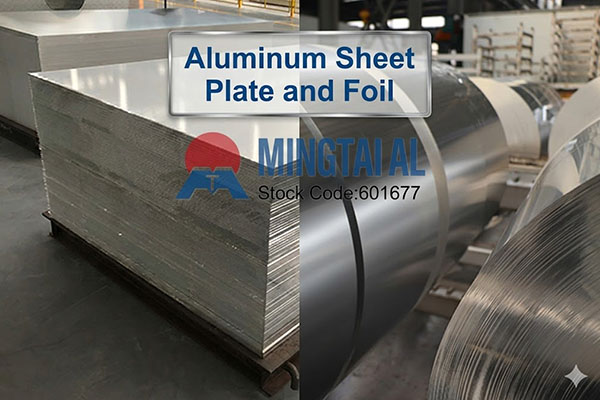
Aluminum Sheet Plate and Foil are often grouped together because they all come from the same metal family, yet they serve very different purposes once thickness, strength, and formability come into play. For many projects, the right choice depends less on the metal itself and more on how it will be used, shaped, and processed.
At first glance, these three forms may seem interchangeable. In practice, they are chosen for different performance needs. One form is better when a project needs stiffness and structural support. Another is preferred when versatility matters most. The thinnest form is selected when lightweight coverage, wrapping, sealing, or barrier protection is the priority.
Understanding the difference early helps avoid mismatched specifications, unnecessary cost, and production delays. It also makes it easier to communicate requirements clearly when requesting a quote or discussing material options.
You can think of them in a practical way:
* Plate is the thickest and most rigid option.
* Sheet sits in the middle and offers broad versatility.
* Foil is the thinnest and is used where light weight and flexibility are essential.
This simple comparison is useful, but the real decision comes from the end use. Thickness is important, yet it is not the only factor. Alloy selection, surface finish, formability, and mechanical properties also influence the final result.
The easiest distinction is thickness, but each form also brings a different balance of performance.
Plate
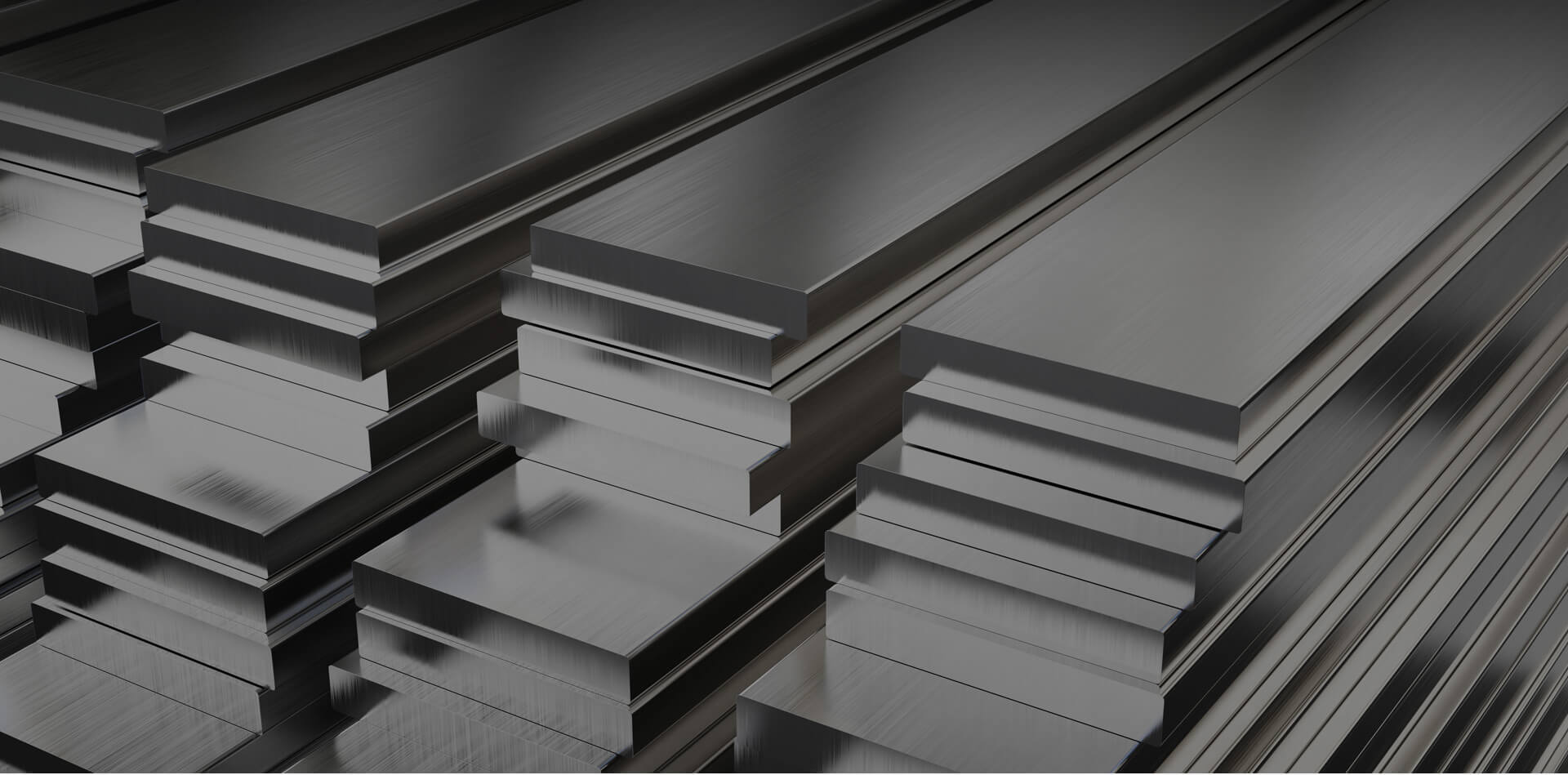
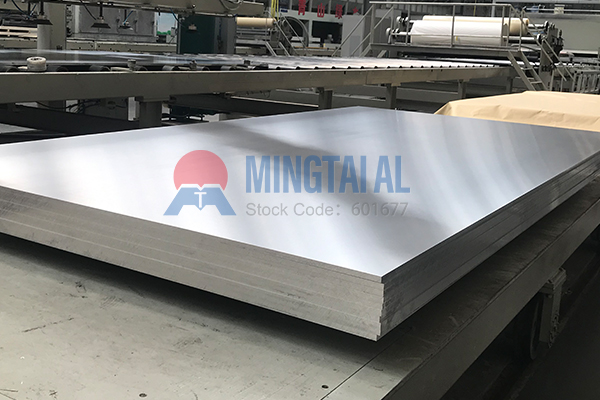
Plate is typically selected for applications that require higher strength, dimensional stability, and durability. It is often used in heavy-duty fabrication, machinery parts, molds, and structural components. When a material needs to hold its shape under stress, plate is often the more suitable choice.
Sheet
Sheet is one of the most versatile aluminum forms. It can be used in transportation, construction, appliance manufacturing, signage, and general fabrication. It is easier to bend, cut, and shape than thicker forms while still offering good strength and dependable performance.
Foil
Foil is the thinnest option and is widely used in packaging, insulation, shielding, and specialized industrial applications. Its appeal lies in light weight, flexibility, and barrier performance. In many cases, the value of foil comes from what it protects rather than what it supports.
A smart selection process usually starts with the final function. Consider the following questions:
1. Does the project need strength or flexibility?
Heavy-duty parts usually lean toward plate, while wrap-around or sealing applications often point to foil.
2. Will the material be formed, bent, stamped, or fabricated?
Sheet is often the most balanced option for processing and general use.
3. Is weight a major concern?
Foil and sheet can help reduce overall weight in packaging and transportation-related designs.
4. Will the material face heat, moisture, or outdoor exposure?
The alloy and surface condition can matter just as much as thickness.
5. Is consistency across large production runs important?
Stable dimensions and reliable supply help avoid variation from batch to batch.
Different industries tend to favor different forms because their technical demands are not the same.
Foil is the best-known option here because it provides excellent coverage in thin gauges and works well in barrier-related applications.
Construction and decoration
Sheet is widely used for panels, cladding, interior components, and fabrication work where formability and appearance both matter.
Industrial and mechanical parts
Plate is often chosen when the application requires a stronger base material or more robust machining performance.
Thermal and protection applications
Foil is also used in insulation layers, protective wraps, and specialized technical environments where thin material still needs dependable performance.
Before moving forward with a material specification, it helps to confirm a few basics:
* Required thickness range
* Width and length
* Surface condition
* Forming or machining needs
* Tolerance requirements
* Final application environment
These details make a big difference in whether the material performs well in production. A specification that looks correct on paper may still be unsuitable if the end-use conditions were not fully considered.
When comparing aluminum forms, do not start with the name alone. Start with the job the material must do. A product that needs to bend easily should not be treated the same as one that must carry load. A packaging layer should not be selected with the same logic as a structural component.
That is why project requirements, not terminology, should guide the final choice. In many cases, the best option is the one that balances performance, processability, and supply consistency.
Mingtai Aluminum supplies aluminum materials for a wide range of industrial and commercial applications, with options suited to different thickness and performance needs. If your project requires dependable material support, Mingtai Aluminum can help you move from specification to solution with confidence.
1. Is aluminum sheet the same as aluminum plate?
Not exactly. They are related, but plate is generally thicker and used for more demanding applications, while sheet is more versatile for general fabrication.
2. Is foil just a thinner version of sheet?
Foil is much thinner, but it also serves different functions such as wrapping, sealing, insulation, and barrier protection.
3. Which form is best for packaging?
Foil is usually the preferred choice for packaging-related uses because of its thin profile and protective properties.
4. What should I prepare before requesting a quotation?
Thickness, alloy grade, dimensions, surface requirements, and the intended application are the most useful details to provide.