Stock code: 601677
Stock code: 601677
Aluminum sheets naturally form an oxide film that protects the surface. The real challenge in how to avoid aluminum sheets oxidation is not stopping that natural film, but preventing white rust, water stains during storage and transport, and color variation that only shows up after anodizing. Prevention before surface finishing is far more effective than rework afterward.
The natural oxide film is uniform and transparent, and it is the basis of aluminum’s corrosion resistance. Abnormal oxidation looks different: white powdery marks, watermarks, or patchy discoloration. These affect appearance and can also influence adhesion in later coating or surface treatment steps.
Another issue does not appear in storage at all. It emerges only after anodizing as visible color difference.
Key point: Oxidation prevention is not about keeping aluminum away from air. It is about stopping moisture from sitting between layers and reducing the color risk caused by alloy and batch variation.
Aluminum responds quickly to temperature changes. When the sheet surface is cooler than the surrounding dew point, water vapor condenses on it. Sheets that arrive from cold transport or cool storage and are unpacked immediately in a warm, humid workshop can develop condensation on the surface and between layers.
A more reliable habit: let unopened packaging acclimate gradually in a transition area before unpacking. Avoid exposing cold sheets directly to warm, humid air.
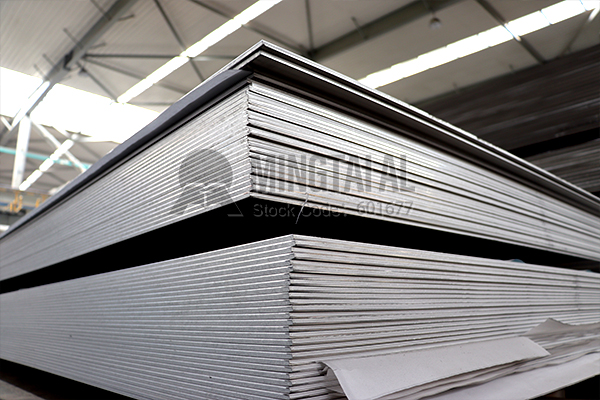
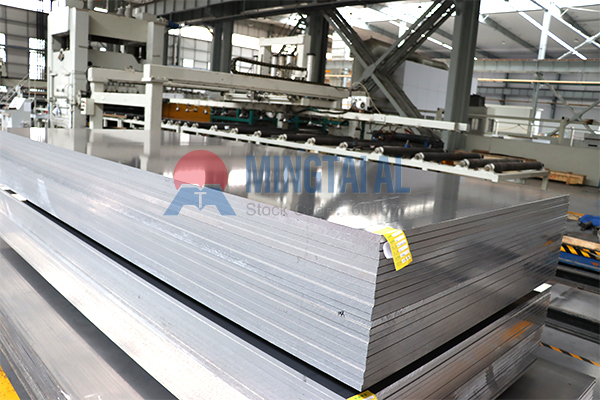
Stacked aluminum sheets and coils, or tightly wound coils, can pull moisture from the edges into the layers. The surface may look dry while moisture remains trapped inside. That is often how white water stains form.
A few storage habits make a practical difference:
– Keep material raised off the floor
– Maintain ventilation and avoid sharp temperature swings
– Store at a slight angle so edge moisture can drain
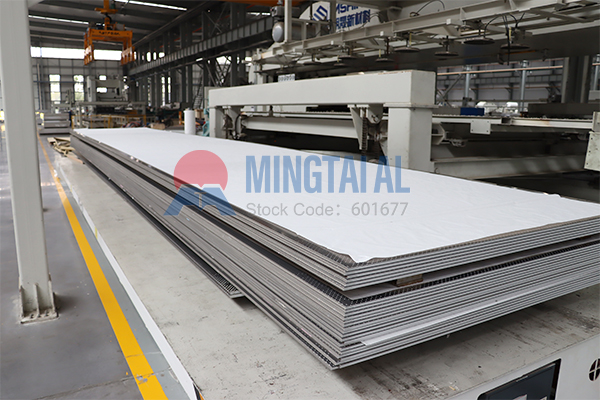
– Cover with breathable canvas or moisture-resistant paper; avoid direct plastic wrapping that worsens condensation
– Inspect packaging paper for wrinkles or damp patches on receipt, and photograph any anomaly before unpacking
Short-term storage can use neutral rust-preventive paper or suitable interleaving materials. Confirm compatibility with the downstream surface treatment process first.
This article focuses on prevention at the delivery and use stage of the base material. Surface treatment and further processing of aluminum coils remain with downstream specialists.
Anodizing forms an oxide film on the aluminum substrate, but variation in alloy composition and temper can be amplified into visible color difference after anodizing. Mixing different batches or tempers of the same grade is an underestimated risk.
For projects with tight color requirements, anodizing-grade aluminum sheet should come from a single alloy source and a consistent production batch. State the batch consistency requirement clearly when placing the order.
Different alloys anodized together rarely produce a uniform result. Bending, forming, and welding should also come before anodizing where possible. Bending after anodizing can crack the film, and weld heat-affected zones may show local discoloration after anodizing.
A workable sequence:
1. Confirm alloy grade and temper consistency first
2. Complete bending, forming, and welding
3. Then move to anodizing and other surface treatment steps
On receipt, check that packaging is intact and free of water marks, then verify the details against the order:
– Alloy grade
– Temper
– Batch information
For color-sensitive projects, request a single production batch or a single mother coil source to avoid mixing material from multiple sources. For 5005 aluminum sheet used in appearance-critical flat parts, for example, batch consistency matters more than comparing grade names alone.
These steps are simple, but they are a practical part of how to avoid aluminum sheets oxidation before surface treatment begins.
Q: Can oxidation on aluminum sheets be fully stopped?
A: The natural oxide film cannot be avoided, but condensation, interlayer moisture, and storage temperature swings can be controlled to prevent white rust and water stains.
Q: Why does the same alloy grade show different colors after anodizing?
A: Alloy composition variation between batches or tempers is amplified into visible color difference after anodizing.
Q: Does white rust affect the strength of aluminum sheets?
A: Storage stains and white rust generally do not significantly affect mechanical properties, but they do affect appearance and adhesion in later surface treatment.
Q: Should aluminum sheets be bent before or after anodizing?
A: Bend and form first, then anodize, to reduce film cracking and local discoloration.
If a project needs aluminum sheets and coils with stable alloy consistency and controlled surface quality as base material before anodizing, Mingtai Aluminum serves as an upstream supply option. Surface treatment and further processing remain with qualified downstream partners.