Stock code: 601677
Stock code: 601677
How to Store Aluminum Coils is a practical question for anyone who wants to keep material quality stable before processing. Aluminum coil may look durable, but improper storage can lead to condensation, surface dullness, edge discoloration, or oxidation marks. The good news is that most of these problems are preventable with the right storage environment, packaging care, and handling habits.
Aluminum does not rust like steel, but it can still react with moisture and contaminants. In humid warehouses or during large temperature swings, water vapor may condense on the coil surface or inside the packaging. Once that happens, the risk of white spots, staining, and surface damage rises quickly.
For that reason, coil storage is not only about finding a place to put the material. It is about keeping the coil dry, clean, and protected from sudden changes in environment. Even short exposure to damp air can create problems if the coil is packed tightly and left unchecked.
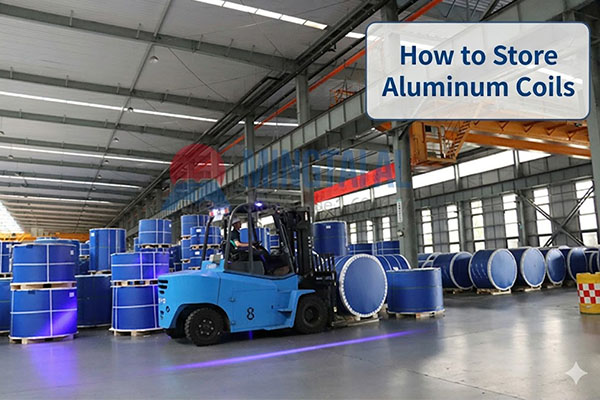
The best storage area is indoor, dry, and well organized. A warehouse with controlled humidity is ideal, but even a simple storage room can work well if it avoids common risks such as rain leakage, direct sunlight, and floor moisture.
For applications requiring good corrosion resistance and stable storage performance, alloys such as 3003 aluminum coil and 5052 aluminum coil are widely used in industrial and building-related environments.
* Stable temperature with minimal day-night fluctuation
* Low humidity and good air circulation
* No exposure to rain, dripping pipes, or wall condensation
* Clean floors, free of dust, oil, and chemical fumes
* No direct contact between the coil and the ground
Placing coils directly on concrete floors is a common mistake. Concrete can absorb and release moisture, especially in warm and humid climates. Using pallets, racks, or elevated supports creates a safer buffer between the material and the floor.
Aluminum coils are usually shipped with protective packaging for a reason. The outer wrapping helps block moisture, dust, and accidental surface damage. When the coil is not ready for immediate use, it is best to keep that packaging intact.
If the package must be opened, do it in a clean and dry space. Once opened, avoid leaving the coil exposed for long periods. If only part of the material will be used, rewrap the remaining section carefully and seal it again as soon as possible.
A few simple protective materials can make a big difference:
One of the most overlooked risks is condensation caused by temperature change. A coil moved from a cool storage space into a warmer, humid area may develop moisture on its surface before anyone notices.
To reduce that risk, let the coil adjust gradually to the surrounding environment before opening the package. This is especially important in coastal regions, tropical climates, or warehouses with strong temperature differences between day and night.
A simple rule works well: do not rush to unwrap the coil the moment it reaches a new location. Give it time to stabilize first.
Before placing aluminum coils into storage, review this short checklist:
* Confirm the storage area is dry and clean
* Inspect the packaging for tears or punctures
* Keep the coil away from walls, doors, and water sources
* Use pallets or racks to lift the material off the floor
* Mark the storage date clearly
* Store older stock in a way that makes rotation easy
* Check coils regularly for signs of moisture or surface change
This kind of routine does not take much time, but it helps prevent quality loss and unnecessary rework later.
Many storage problems come from a few repeated errors. These are the most common ones:
* Leaving coils in outdoor or semi-outdoor areas
* Storing them in places with poor ventilation
* Opening the package too early
* Putting coils directly on damp floors
* Mixing coils with chemicals, solvents, or corrosive materials
* Ignoring long-term storage checks
Another frequent issue is poor stock rotation. Even when the environment is good, a coil that sits untouched for too long may still face packaging wear or hidden moisture risks. Clear labeling and regular inspection help prevent that.
Before a coil enters production, a quick inspection is always worthwhile. Check the package first, then examine the visible surface once the material is safe to open.
Look for:
* Water marks or condensation inside the wrapping
* White spots or dull patches on the surface
* Edge discoloration
* Damage to the protective film or wrapping
* Dust, debris, or signs of contamination
If any unusual signs appear, separate the coil and inspect it carefully before moving forward. A few minutes of checking can prevent much larger losses in downstream processing.
Good aluminum coil storage is simple in principle: keep the material dry, stable, and protected from unnecessary exposure. When moisture and temperature changes are controlled, the coil is far more likely to stay in usable condition and deliver consistent performance.
Mingtai Aluminum supplies aluminum coils with reliable quality and stable performance for global applications. For projects that need dependable material supply and easier storage management, Mingtai Aluminum is a trusted partner.
Q1: What is the best way to store aluminum coils?
Store them indoors in a dry, clean, and stable environment, away from humidity and direct floor contact.
Q2: Can aluminum coils be stored for a long time?
Yes, but long-term storage requires regular inspection, proper packaging, and a controlled warehouse environment.
Q3: Should the original packaging be removed immediately?
No. Keep the packaging intact until the coil is ready for use whenever possible.
Q4: Why do aluminum coils develop white spots?
White spots often appear when moisture enters the package or condensation forms on the surface.
Q5: Is temperature change a real risk?
Yes. Sudden temperature differences can create condensation, especially in humid environments.