Stock code: 601677
Stock code: 601677
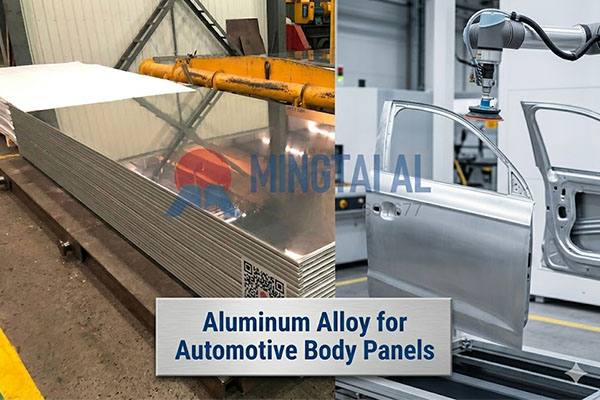
Aluminum alloy for automotive body panels is a material choice many vehicle makers use when they want a lighter body, better corrosion resistance, and easier shaping during production. For parts such as hoods, doors, roof panels, fenders, and side panels, the material must do more than just look good. It needs to form well, stay stable, and support a clean final surface. That is why the right alloy matters so much in automotive design.
Automotive body panels face a simple but demanding job.
They must be:
* light enough to support vehicle weight reduction
* strong enough to keep their shape
* easy to stamp and form
* smooth enough for painting
* durable enough for long-term outdoor use
Aluminum fits these needs well. It is lighter than many other metals, which helps reduce vehicle mass. That can support fuel efficiency in traditional vehicles and driving range in electric vehicles. At the same time, aluminum offers good resistance to rust and weather exposure.
In real production, this balance is often more important than strength alone. A panel that is very strong but hard to shape can slow down manufacturing. A panel that forms easily but does not keep its shape can create quality problems later. The best choice is the one that fits both the part design and the production process.
A lot of material choices sound good on paper. But for automotive body panels, a few practical points matter most.
1. Formability
The sheet needs to handle stamping, bending, and drawing without cracking.
2. Surface quality
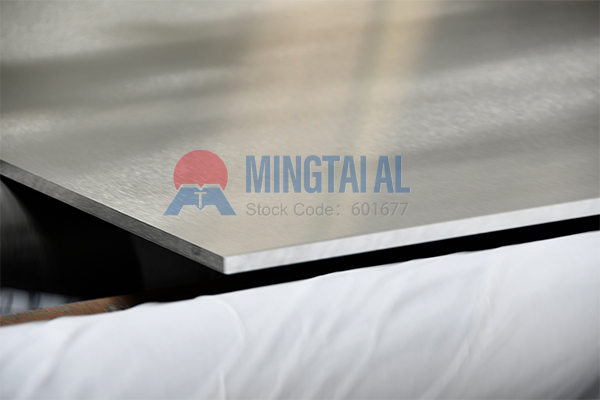
Exterior panels need a clean, even surface. Scratches, dents, or marks can affect the final appearance after painting.
3. Strength balance
The material should be strong enough for the application, but not so hard that it becomes difficult to process.
4. Corrosion resistance
This is especially important for panels exposed to rain, humidity, road salt, and changing temperatures.
5. Flatness and thickness control
Stable size and shape help reduce waste and make production smoother.
A material that performs well in all five areas is usually a stronger choice than one that only excels in a single point.
Different panel positions need different performance. That is why alloy selection is not one-size-fits-all.
5xxx series
These alloys are often chosen for their good corrosion resistance and forming behavior. They can be a practical option when a panel needs both durability and reasonable shaping performance.
5182 aluminum sheet and 5754 aluminum sheet are commonly selected for automotive inner panels and structural applications because of their excellent formability and corrosion resistance.
6xxx series
These alloys are widely used when the application needs a good balance of strength, formability, and surface finish. They are often selected for parts that must hold shape well after forming.
Common options such as 6016 aluminum sheet and 6111 aluminum sheet are often used for exterior automotive panels that require good surface quality and stable forming performance.
Instead of asking, “Which alloy is best overall?” it is better to ask:
* Is this part an outer panel or an inner panel?
* Will it need deep drawing or only simple forming?
* Is the surface visible after assembly?
* Does the part need more strength or more flexibility during processing?
Once those questions are clear, the material choice becomes much easier.
Before finalizing a specification, it helps to check the basics in a simple order.
1. Confirm the part position
A roof panel, door skin, and internal support part do not need the same material behavior.
2. Check the forming method
Deep drawing, bending, and pressing each place different demands on the material.
3. Review thickness and width
The material must match the production line and the final part size.
4. Look at surface condition
A better surface means fewer problems later in painting or finishing.
5. Ask about consistency
Good batch stability helps reduce variation from one coil or sheet to the next.
This is a practical checklist, and it often saves more time than focusing on alloy name alone.
Aluminum is not used the same way in every part of a vehicle. It is often a strong choice where weight reduction and surface quality are especially important.
Typical uses include:
* hood panels
* door outer panels
* roof panels
* fenders
* trunk lids
* side body panels
These parts benefit from a material that is light, formable, and stable. In many projects, aluminum is chosen not because it replaces every other material, but because it solves specific design and production needs very well.
Lightweight design affects more than just the final vehicle weight.
It can also influence:
* energy use
* driving range
* handling
* braking response
* overall efficiency
That is why material selection for body panels is such an important part of modern vehicle development. A small reduction in weight can bring a meaningful improvement when it is applied across multiple parts.
A good aluminum sheet or coil for automotive body panels should answer these questions clearly:
* Does it form well during stamping?
* Will it keep a stable shape after processing?
* Does it have a clean surface?
* Is the thickness within the needed tolerance?
* Can it support repeatable production?
If the answer is yes to all five, the material is usually worth serious consideration.
Mingtai Aluminum supplies aluminum materials with stable quality and consistent specifications for automotive-related applications. For body panel projects, our team can help match the material to the forming needs, surface requirements, and production goals of the part.
Q1: Which aluminum alloys are commonly used for automotive body panels?
A1: 5xxx and 6xxx series alloys are commonly used, depending on the panel position and performance requirements.
Q2: Why is aluminum used for vehicle body panels?
A2: It helps reduce weight while offering good formability, corrosion resistance, and surface quality.
Q3: What is the most important factor when choosing the material?
A3: Formability, surface quality, and stable dimensions are usually the most important points.