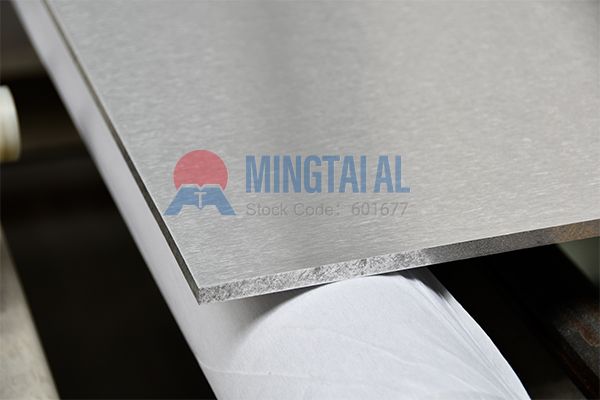
Stock code: 601677
Stock code: 601677
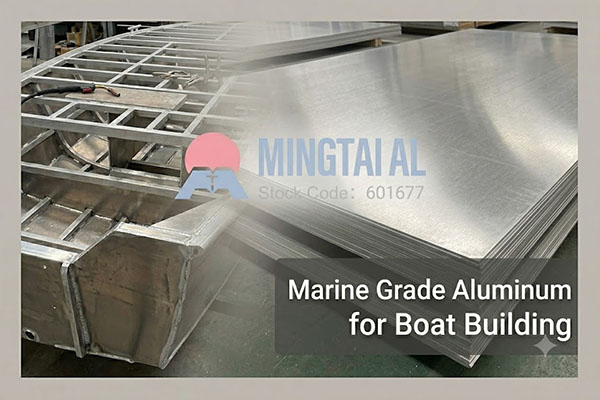
When choosing Marine Grade Aluminum for Boat Building, the focus is usually on three things: corrosion resistance, weight reduction, and fabrication performance. For shipyards and boat manufacturers, the right alloy can improve vessel efficiency, reduce maintenance pressure, and support stable long-term use in saltwater environments.
Marine environments are harsh. Salt spray, humidity, vibration, and constant contact with water can quickly damage unsuitable materials. Aluminum solves part of that problem by offering a strong balance of light weight and durability.
Main advantages include:
* Lower weight than steel
* Better fuel efficiency and handling
* Good resistance to saltwater corrosion
* Easier cutting, welding, and forming
* Lower maintenance demand over time
Not all alloys are used in the same way. Different grades are chosen based on the part being built and the level of stress it must handle.
|
Alloy |
Key Strength |
Common Use |
|
Excellent corrosion resistance and strength |
Hulls, decks, structural parts |
|
|
5086 |
Strong marine performance and weldability |
Hull structures, shells |
|
5052 |
Good formability |
Covers, panels, fittings |
|
5754 |
Balanced performance |
Marine components, light structural parts |
|
6061 |
Higher strength and machinability |
Selected structural or accessory parts |
A boat is not built from one material choice alone. Different areas need different performance levels.
1. Hull
This is the most critical part. It needs strong corrosion resistance and dependable structural strength.
2. Deck and superstructure
Weight control matters here. Lighter material helps improve stability and overall efficiency.
3. Frames, bulkheads, and fittings
These parts need reliable support, but the exact alloy depends on load and design requirements.
4. Covers, hatches, and railings
These parts usually need good formability and stable surface performance rather than maximum strength.
A practical selection process is usually simple:
* Identify the part first: hull, deck, frame, or accessory
* Check whether the part will be welded or formed heavily
* Match the alloy to the strength and corrosion demand
* Confirm thickness, width, and surface quality
* Make sure the supply is stable and consistent
A common mistake is choosing one alloy for every boat part. In reality, the best result comes from matching the material to the working environment and the final structure.
If your project needs maximum marine durability, 5083 and 5086 are often the first choices.
If your project needs better forming performance, 5052 is a practical option.
If you need a more balanced solution, 5754 can work well in many marine components.
For boat building projects, material consistency is just as important as alloy grade. Even when the specifications look correct, unstable quality can affect welding, assembly, and final performance. That is why many buyers prefer a supplier that can keep specifications steady across batches.
Henan Mingtai Aluminum supplies material options for marine applications with stable quality and multiple specifications for boat building projects. If you are looking for a reliable source for Marine Grade Aluminum for Boat Building, Mingtai Aluminum is a practical partner for your next project.
Q1: Which alloy is most commonly used in boat building?
5083 and 5086 are widely used because they combine marine corrosion resistance with strong structural performance.
Q2: Is aluminum better than steel for boats?
In many cases, yes. Aluminum is lighter, which helps improve speed, fuel economy, and handling.
Q3: Can 5052 be used in marine applications?
Yes. It is often used for parts that need good formability and moderate strength.
Q4: What should I check before buying marine aluminum sheets?
Check alloy grade, thickness, width, surface quality, and whether the material matches the boat part you are producing.