Stock code: 601677
Stock code: 601677
Selecting the right aluminum sheet sizes starts with determining three key parameters: thickness, width, and length. With so many options available, it is easy to get lost. Which dimensions are standard? What thickness suits your application? And what if standard sizes do not meet your needs? This guide answers those questions clearly.
Every aluminum sheet is defined by thickness, width, and length. These three parameters are independent, so you can choose each one based on your project requirements.
Thickness is usually the first decision point. It directly affects strength, weight, and cost.
– Thin sheets – 0.2mm to 6.0mm
Used for decorative panels, signage, electronic enclosures, and heat sinks.
– Medium sheets – 6.0mm to 25mm
Common in machinery structures, vehicle manufacturing, and marine components.
– Thick sheets – 25mm and above
Found in aerospace structures, heavy equipment, and large die bases.
Width and length vary by region and application. Typical standard widths include 1000mm, 1200mm, 1220mm, 1500mm, and 2000mm. Standard lengths often range from 2000mm, 2440mm, 2500mm, 3000mm, to 4000mm.
A few sizes have become global defaults. They are widely stocked, competitively priced, and suitable for many industries.
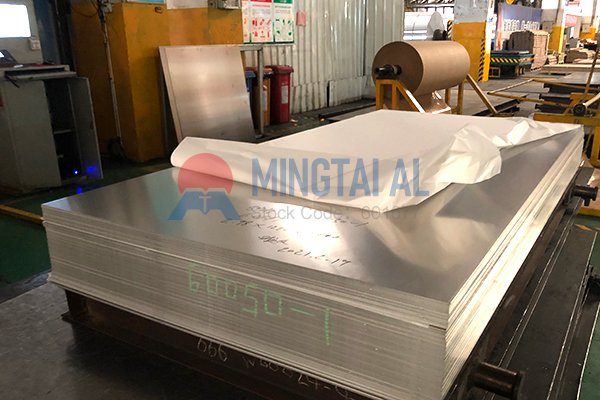
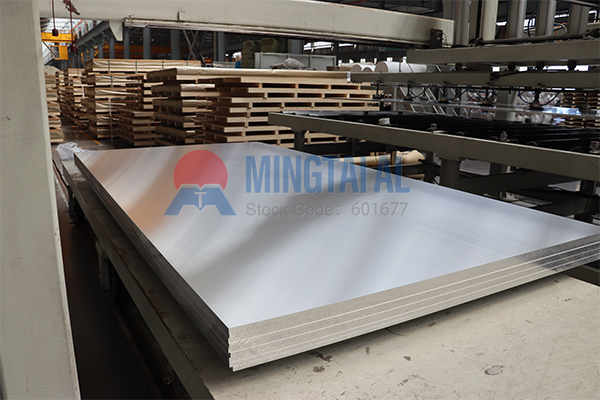
The 4×8 ft (approx. 1220×2440mm) sheet is the undisputed standard. It ships easily, works for most fabrication processes, and is used in building facades, interior decoration, and furniture making. This is the size you will find in almost every supplier’s inventory.
|
Imperial Size |
Approx. Metric |
Common Applications |
|
4×4 ft |
1220×1220mm |
Small decorative pieces, signage |
|
4×8 ft |
1220×2440mm |
General industrial, building facades (most popular) |
|
4×10 ft |
1220×3050mm |
Roofing, large structural components |
|
5×10 ft |
1525×3050mm |
Truck trailers, RV bodies, marine |
|
1000×2000mm |
– |
Metric standard, easy for layout planning |
In addition, 1250×2500mm is another common metric size.
Choosing the right thickness prevents over-engineering or potential failure. Here is a practical guide based on common uses:
– 0.2mm – 2.0mm (ultra-thin)
Electronics housings, heat sinks, metal signage, charging station panels, precision instrument casings.
– 2.0mm – 6.0mm (thin)
Light equipment brackets, photovoltaic mounting plates, interior architectural decoration, battery protection panels. Truck side panels and roofs typically use 2–3mm, while bus skins often use 1.5–2.0mm.
– 6.0mm – 25mm (medium)
Machinery structures, vehicle parts, ship components, molds, chemical storage tanks. Truck floors are usually 4–6mm.
– 25mm and above (thick)
Aerospace structural parts, heavy machinery, large mold bases.
Custom Cutting When Standard Sizes Don’t Fit
Standard dimensions cover most needs, but some projects require non‑standard shapes or wish to minimize waste. Custom cutting is a well‑established solution.
– Thickness – from very thin to extra thick, covering a broad range.
– Width – typically from 20mm up to 2650mm.
– Length – usually from 500mm up to 16000mm.
Important considerations for custom cutting:
Cutting removes material – whether by sawing or laser – so you need to allow a machining allowance. We recommend adding 3–10mm per edge in your design.
Also note that thickness tolerances vary with both thickness and width: thinner sheets have tighter tolerances, while thicker ones are more forgiving. Always confirm the specific tolerance range with your supplier to avoid assembly issues later.
You do not need to guess. Follow this step‑by‑step process:
1. Define the application
Is it for structural support, heat dissipation, corrosion resistance, or forming? This determines the alloy series.
2. Determine the minimum thickness
Use mechanical calculations, industry codes, or past experience to find the safe lower limit.
3. Match to standard sizes first
Prefer standard dimensions like 4×8, 5×10, or 1000×2000mm – they offer the shortest lead times and best cost.
4. Evaluate if custom cutting is needed
If no standard size fits, then go custom. Thickness, width, and length can all be adjusted.
International standards such as ASTM B209 specify dimensional tolerances for aluminum sheets, and GB/T 3880 provides similar guidelines in China. These standards serve as the acceptance criteria for delivery, so it is wise to ask your supplier which standard they follow.
Following these steps ensures you select the most suitable aluminum sheet sizes for your project – balancing performance, cost, and delivery.
Q: What is the most common standard size for aluminum sheets?
A: The 4×8 ft (1220×2440mm) sheet is the global standard with the widest availability.
Q: What thickness options are typically available?
A: Common thicknesses include 0.2mm, 0.5mm, 1mm, 2mm, 3mm, 4mm, 5mm, 6mm, 8mm, 10mm, and many more.
Q: Can I order custom sizes if standard ones do not work?
A: Yes, thickness, width, and length can all be customized – width up to 2600mm and length up to 12000mm.
Q: What should I watch out for with custom cutting?
A: Always include a machining allowance (3–10mm per edge) and confirm the thickness tolerance with your supplier.
*Mingtai Aluminum offers a full range of standard and custom‑cut aluminum sheets to meet your exact specifications. Contact us to discuss your dimensional requirements.*