Stock code: 601677
Stock code: 601677
When it comes to buying aluminum plate online, price comparison is only the surface. The real questions are: after you get a quote, before you place an order, what exactly should you verify about the supplier? The checklist below breaks the process into six actionable steps to help you avoid the most common pitfalls.
The most common hidden risk is vague specifications. Make sure your order includes at least the following:
– Alloy grade – use standard designations (e.g., 5052-H32, 6061-T6), not vague terms like “marine grade” or “aviation grade”
– Temper – O, H, or T tempers have very different properties; they are not interchangeable
– Thickness and tolerance – specify the nominal thickness and the acceptable positive/negative deviation range
– Dimensions and quantity – distinguish between sheet and coil; confirm width, length, and inner coil diameter if applicable
Tip: Send the full specification sheet to the supplier for written confirmation before ordering, and keep the communication record. This checklist focuses on the procurement of aluminum plate and coil itself and does not cover surface treatment or further processing.-
A reliable supplier should pass three basic checks:
If the supplier cannot provide any one of these, consider pausing the order until you have the information.
The MTR is the “health certificate” for each batch of aluminum plate. It records the chemical composition and mechanical properties measured from that specific batch.
When you receive the MTR, check three things:
– Does it correspond to the exact batch you are ordering (match the batch number)?
– Do the test results meet the required alloy and temper standard ranges?
– Is the report issued by the producing mill, not a template created by the supplier?
For high‑value orders, it is common practice to arrange a pre‑shipment inspection by an independent body such as SGS or Bureau Veritas – a prudent risk‑control measure in international sourcing.
The factory’s production capability directly affects whether your order can be delivered on time and in full. Consider asking about:
– Minimum order quantity (MOQ) – does it match your purchasing scale?
– Cut‑to‑length and slitting ability – if you need specific sizes, does the plant have the right equipment?
– Sample policy – do they support sample approval before mass production (usually freight is borne by the buyer)? A small trial order is an effective way to reduce risk
– Main export port – knowing the nearest port helps estimate shipping lead times
Quotes for aluminum plate are often given per kilogram ($/kg), but your total landed cost also includes:
– Ocean freight and insurance (depending on Incoterms such as FOB or CIF)
– Import duties and customs clearance fees at the destination
– Sample charges (if applicable)
– Third‑party inspection fees (if you choose pre‑shipment verification)
Suggestion: When comparing offers, ask all suppliers to quote under the same trade term (all FOB or all CIF) – this gives you a more meaningful basis for comparison.
This final step is often overlooked but critical. Carefully go through the key clauses:
– Payment method – prefer letters of credit (L/C) or platform‑escrow arrangements; avoid 100% advance payment
– Quality acceptance criteria – the contract should state that the MTR data and mutually agreed specifications are the basis for acceptance
– Delivery deadline and penalties – set a clear latest delivery date and the handling of delays
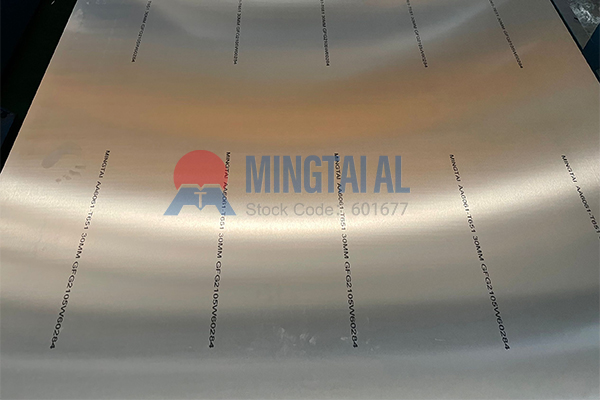
– Traceability marking – require clear batch/lot labels on each piece or pallet for full traceability
Only after these terms are in place should you proceed to payment – this significantly reduces transaction risks.
Before you finalise your order, run through each of these points. That is the core of a smart approach to Buying Aluminum Plate Online – and it will save you from most unpleasant surprises down the road.
If you are looking for a supplier with transparent credentials, traceable batch‑specific MTRs, and a stable delivery record, Mingtai Aluminum is worth adding to your shortlist.
Q1: What is the difference between aluminum plate and aluminum coil?
A: Plate is flat sheets, while coil is supplied in rolls – they differ mainly in form and delivery method.
Q2: Which specification parameters are most critical when ordering aluminum plate?
A: The alloy grade, temper, thickness with tolerance, and dimensions/quantity are the most critical.
Q3: Why is the MTR report important?
A: It is the mill’s test certificate for that batch, showing chemical and mechanical properties – the primary evidence of material compliance.
Q4: What credentials should an online supplier at least provide?
A: At minimum, business authentication, ISO 9001 certification, and a clear statement of compliance with ASTM or EN standards.
Q5: How can I reduce risk when ordering from a new online supplier?
A: Request and verify the batch MTR, place a small trial order, and use L/C or escrow payment whenever possible.